
Cyclanthera brachystachya
Cyclanthera brachystachya
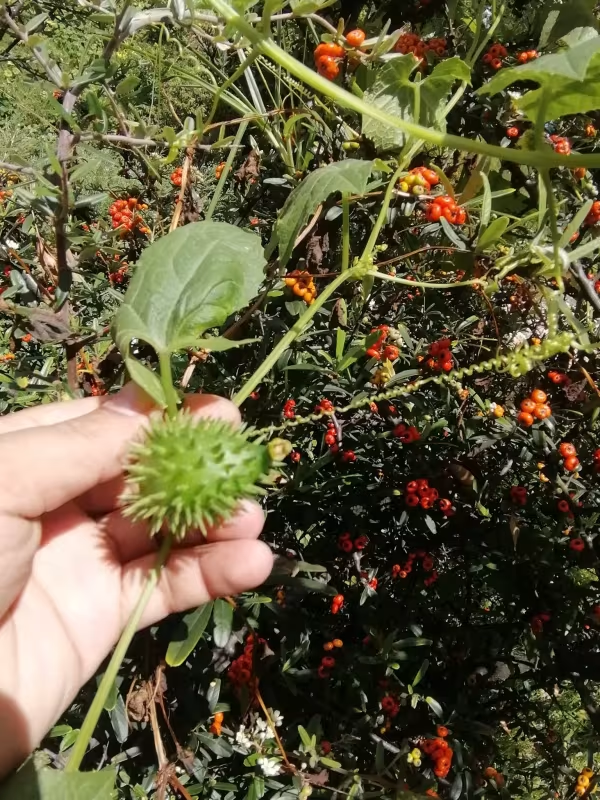
Description
Sowing dates
Cyclanthera brachystachya is a vigorous climbing annual belonging to the Cucurbitaceae family. Due to its tropical origins, seeds should be started indoors about 4 to 6 weeks before the last expected frost date.
When sowing, it is crucial to use individual pots or biodegradable cells to minimize root disturbance, as this plant is notoriously sensitive to transplant shock and may stall in growth if damaged.
The seeds have a hard outer coat, so soaking them in warm water for approximately 12–24 hours before planting can significantly improve and speed up germination rates.
The optimal soil temperature for germination is between 20 and 25 degrees Celsius. Seeds should be planted at a depth of about 2–3 centimeters in well-draining seed starting mix.
Once seedlings have developed at least two sets of true leaves and night temperatures are consistently above 12–15 degrees Celsius, they can be hardened off and moved to their permanent outdoor location.
Growing requirements
This crop thrives in full sun, requiring at least 6 to 8 hours of direct light daily to support its rapid vine growth and abundant fruit production throughout the growing season.
The plant requires fertile, well-draining soil with a pH level between 6.0 and 7.0. Incorporating a generous amount of organic compost into the planting site is highly recommended.
As a heavy producer, it requires consistent moisture. Mulching around the base of the plant helps retain soil humidity, which is essential during hot, dry periods to prevent fruit bitterness.
Structural support is non-negotiable for this species. Sturdy trellises, nets, or fences must be installed at planting time to accommodate the climbing vines, which can grow several meters in length.
Fertilization with a balanced NPK fertilizer during the early vegetative phase and a potassium-rich feed during the flowering stage will maximize the overall health and yield of the vines.
Yield
The plant is highly productive, with small, cucumber-like fruits appearing in the leaf axils. When conditions are optimal, a single healthy vine can yield several kilograms of fruit.
Fruits are harvested when they are young and tender, usually when they reach 5 to 8 centimeters in length. At this stage, they are crisp, refreshing, and ideal for culinary use.
Beyond the fruits, the tender tips of the vines and young leaves are edible. They are often sautéed or added to salads, providing a nutritious and flavorful addition to the diet.
The growth habit can be managed through strategic pruning. Removing excess side shoots directs the plant's energy toward fruit development rather than excessive foliage growth.
Consistent harvest is the key to high yields. Removing fruits regularly prevents the plant from diverting resources into seed production and encourages the formation of new blossoms.
Main diseases and pests
Spider mites are the most common pests for this plant, especially during hot and dry weather. Regular misting or the use of neem oil can help control their population effectively.
Powdery mildew is a frequent fungal issue, characterized by white spots on the leaves. It is often encouraged by poor air circulation, so proper spacing between vines is essential.
Root rot can occur if the soil remains waterlogged. Ensuring that the planting area is well-drained and avoiding overhead watering in the evenings can mitigate this risk significantly.
Because it is a member of the gourd family, it is susceptible to the same viruses that affect cucumbers and pumpkins; therefore, avoiding planting in the same spot for consecutive years is vital.
Monitoring for aphids and whiteflies is also recommended throughout the summer months to ensure that the foliage remains vibrant and the plant remains productive until the frost.
Harvesting
Harvesting should be conducted frequently, typically every 3 to 4 days. Fruits that are left on the vine too long become fibrous, hollow, and develop an unpleasant texture.
The fruits should be picked gently using shears to avoid snapping the fragile stems of the plant, which can provide entry points for pathogens if damaged during manual pulling.
Post-harvest life is limited, as the fruits have a high water content. They are best consumed fresh within 24 to 48 hours or processed through pickling or cooking shortly after harvest.
If storage is necessary, the fruits can be kept in a vegetable crisper in the refrigerator for a few days, although they are at their peak quality when harvested straight from the garden.
For seed saving, allow a few select fruits to fully ripen and turn yellowish-brown on the vine. Once dry, the seeds can be extracted, cleaned, and stored in a cool, dark, and dry location.