
Cucurbitella asperata
Cucurbitella asperata
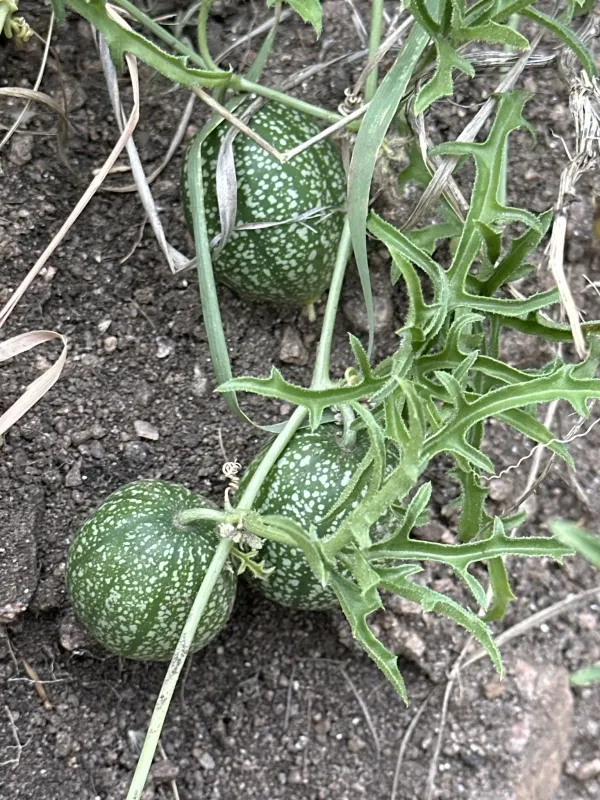
Description
Sowing dates
Cucurbitella asperata is an herbaceous climbing plant belonging to the Cucurbitaceae family, native to the temperate and subtropical regions of South America.
The plant is characterized by its vigorous growth, producing tendrils that allow it to climb over supports, which is an essential feature for its cultivation in home gardens.
When sowing, it is advisable to start seeds indoors in pots about 4-6 weeks before the last expected frost date to ensure the plants have a head start.
Transplanting seedlings into the open field should only occur once soil temperatures consistently exceed 18 degrees Celsius to prevent stunting of the plant.
Direct seeding is possible in warmer regions, provided the soil is well-prepared, friable, and free from competitive weeds that could hinder initial germination.
Growing requirements
This crop thrives in well-draining, nutrient-rich soils that possess a high organic matter content, which supports the intensive vine growth of the plant.
Full sun exposure is a non-negotiable requirement for Cucurbitella asperata, as lack of light significantly reduces the number of flowers and fruit set.
Regular irrigation is necessary to maintain soil moisture, especially during the peak summer months, though waterlogging must be strictly avoided.
The use of a trellis or fence is highly recommended to improve air circulation around the foliage and keep the developing fruits off the ground.
Balanced fertilization throughout the vegetative stage helps sustain the energy demands of this fast-growing climber and improves overall productivity.
Main diseases and pests
The main pathological threat to this culture is powdery mildew, which often appears in conditions of high humidity and poor air circulation.
Common pests include spider mites and aphids, which can cause significant damage by feeding on the sap of the leaves and stems during dry periods.
Integrated pest management strategies, such as using natural predators or organic fungicides, are preferred to maintain the quality of the produce.
Regular inspection of the vine is necessary to identify early signs of infestation, ensuring timely intervention and protecting the plant's health.
Keeping the garden area free of debris and weeds reduces the habitat for potential vectors of viral diseases that can affect cucurbits.
Harvesting
Harvesting usually begins in late summer or early autumn when the fruits have reached their full size and the rind has hardened sufficiently.
Fruits should be harvested using sharp shears to ensure a clean cut, leaving a small portion of the stem attached to the fruit to prolong shelf life.
Post-harvest, the fruits should be stored in a cool, dry place with good ventilation to allow for further curing and to prevent early deterioration.
Although not a mainstream agricultural crop, its fruits find utility in regional culinary traditions, often prepared in ways similar to various squash types.
Beyond its culinary potential, the aesthetic value of the fruits makes the plant an interesting subject for those interested in growing exotic or ornamental vegetables.