
Coccinia quinqueloba
Coccinia quinqueloba
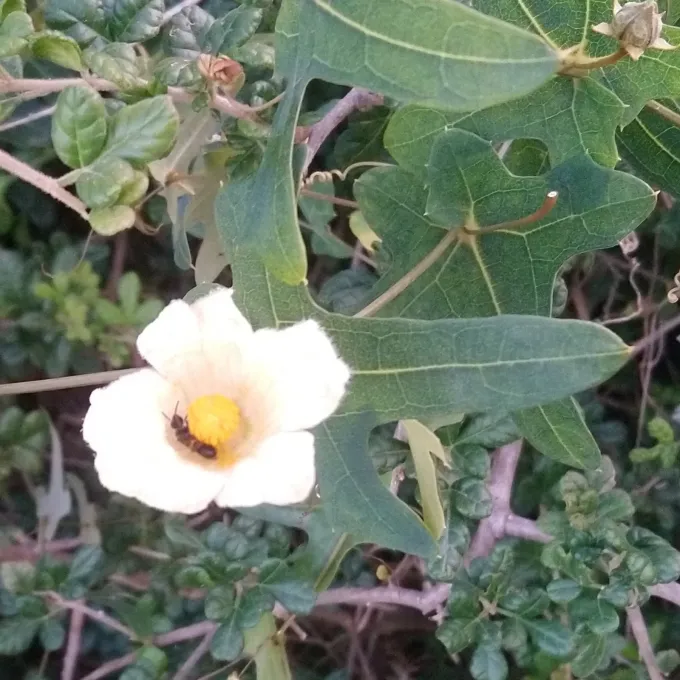
Description
Sowing dates
Coccinia quinqueloba is a perennial herbaceous climber belonging to the Cucurbitaceae family. It is primarily propagated through seeds, although vegetative propagation using healthy stem cuttings is also a highly effective method for maintaining genetic uniformity.
For seed sowing, the soil must be well-warmed, with temperatures consistently above 20°C. Seeds should be soaked in warm water or a growth stimulant before planting to break dormancy and ensure high germination rates.
When starting seedlings indoors, use individual biodegradable pots to minimize root disturbance, as the plant does not tolerate transplanting well. The soil mix should be loose, rich in organic matter, and provide excellent drainage.
If using vegetative cuttings, select sturdy, semi-woody stems with at least two nodes. Rooting should take place in a moist medium like perlite or a sand-peat mixture under high humidity conditions to prevent desiccation.
Space the plants at least 1 to 1.5 meters apart to accommodate their aggressive growth habit. Early in the season, ensure plants have immediate access to climbing supports to encourage vertical growth rather than sprawling on the ground.
Growing requirements
This climber thrives in tropical to subtropical climates and requires full sun to partial shade for optimal development. Exposure to intense sunlight is crucial for fruit set and the accumulation of biomass.
The ideal soil is sandy loam with high organic content and a neutral pH level between 6.0 and 7.0. Ensuring that the soil remains moist but never waterlogged is essential for preventing root-related physiological disorders.
Temperature is a limiting factor; Coccinia quinqueloba is highly sensitive to frost. In temperate regions, it must be grown in greenhouse environments or managed as a container plant that can be moved indoors during winter months.
Consistent water supply is necessary, especially during the active growth phase and flowering. Drip irrigation systems are preferred as they deliver moisture directly to the root zone without wetting the foliage, which reduces disease risk.
High relative humidity is beneficial for the development of lush foliage. In drier climates, regular misting or providing a sheltered location can help mitigate the effects of low ambient humidity on plant transpiration.
Yield
The economic value of Coccinia quinqueloba lies in its young fruits and edible leaves. The fruits are typically harvested while still firm and bright green, before the internal seeds develop a tough, fibrous texture.
Yields are highly dependent on the level of fertilization, specifically potassium and phosphorus levels, which support flower development and fruit quality. Regular pruning of the main shoots can stimulate lateral growth, further increasing fruit density.
The leaves are harvested similarly to other leafy greens and can be used in various culinary applications. A systematic approach to harvesting ensures a continuous supply throughout the growing season.
In optimal conditions, the plant is remarkably prolific. However, the exact yield depends on the length of the warm season and the management of light availability through proper trellis orientation.
Post-harvest shelf life is relatively short, requiring immediate cool storage at temperatures around 8–10°C to maintain freshness and prevent shriveling of the succulent plant tissues.
Main diseases and pests
Aphids and spider mites are the most common pests affecting this crop. They tend to colonize the undersides of leaves, particularly under hot, dry conditions, causing leaf yellowing and reduced photosynthetic efficiency.
Powdery mildew is the primary fungal disease, usually triggered by poor air circulation and excessive humidity on the leaf surfaces. Good cultural practices, such as proper spacing and thinning, are the best preventive measures.
Root rot occurs if the soil remains waterlogged for extended periods. To avoid this, ensuring that the soil structure is friable and that containers have adequate drainage holes is non-negotiable for crop health.
Root-knot nematodes can pose a significant threat in infested soils. Practicing a strict crop rotation and using sanitized growing media are essential strategies to prevent nematode buildup in the root zone.
Integrated Pest Management (IPM) techniques, including the use of neem oil or biological predators, are recommended to control infestations while keeping the edible parts of the plant free from harsh chemical residues.
Harvesting
Harvesting is usually done by hand, using shears to cut the fruit stalks. Care must be taken not to damage the fragile main stems, which can be easily broken by excessive pulling or rough handling during the harvest process.
Frequent harvests, performed 2–3 times per week, encourage the plant to continue producing flowers and new fruit. Leaving mature fruits on the vine tends to slow down further vegetative production.
Gather the harvest into ventilated crates or baskets to prevent moisture buildup and heat accumulation, which could lead to spoilage of the harvested product during transportation to the market.
At the end of the growth cycle in outdoor settings, all plant debris must be cleared and disposed of to prevent the carryover of pests and diseases to the next planting season.
If maintaining the plant as a perennial in a controlled environment, perform a rejuvenation prune at the end of the season to clear away dead wood and encourage vigorous new growth in the upcoming cycle.