
Corallocarpus grevei
Corallocarpus grevei
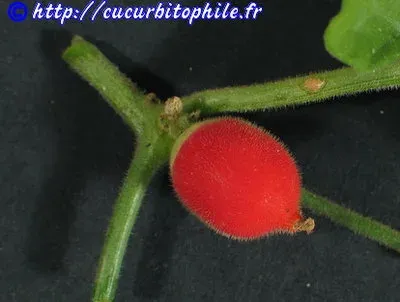
Description
Growing requirements
Corallocarpus grevei is a remarkable caudex plant belonging to the Cucurbitaceae family. Originating from the dry forests of Madagascar, this species is well-adapted to arid environments characterized by distinct wet and dry seasons.
The botanical structure of the plant features a significant, thickened caudex that acts as a water storage organ. The climbing stems produce lobed foliage, which requires careful training along supports to maintain optimal health and aesthetic structure.
Regarding climate, the plant thrives in warm, stable conditions. It is essential to maintain temperatures between 20 and 28 degrees Celsius during the growing season while ensuring good air circulation to mimic its natural, wind-swept habitat.
The soil requirement is stringent: a highly porous, gritty substrate is mandatory to ensure rapid drainage. A mix of pumice, coarse sand, and a minimal fraction of organic potting soil provides the necessary environment for the roots to remain healthy.
Agrotechnical management requires precise water control. During the growth phase, the substrate should be watered only when completely dry, and the plant must be allowed to go into a dormancy phase during the winter, where water is withheld almost entirely.
Main diseases and pests
The primary threat to Corallocarpus grevei is root and caudex rot, typically caused by overwatering or using soil mixtures with poor drainage capabilities.
Pests such as spider mites are a common nuisance, especially during periods of low humidity. They thrive on the underside of leaves and can weaken the plant if left unchecked.
Mealybugs are another potential threat, often hiding in the crevices of the caudex or leaf joints. Manual removal or appropriate systemic insecticides can manage these infestations effectively.
Fungal pathogens can colonize the plant if the environment remains damp for too long. Improving ventilation and maintaining a clean, dry surface layer of soil are essential preventative measures.
Monitoring the firmness of the caudex is a vital practice for growers. Any softness or discoloration is an early warning sign that the plant is under stress and requires immediate intervention regarding hydration or substrate conditions.