
Corallocarpus bainesii
Corallocarpus bainesii
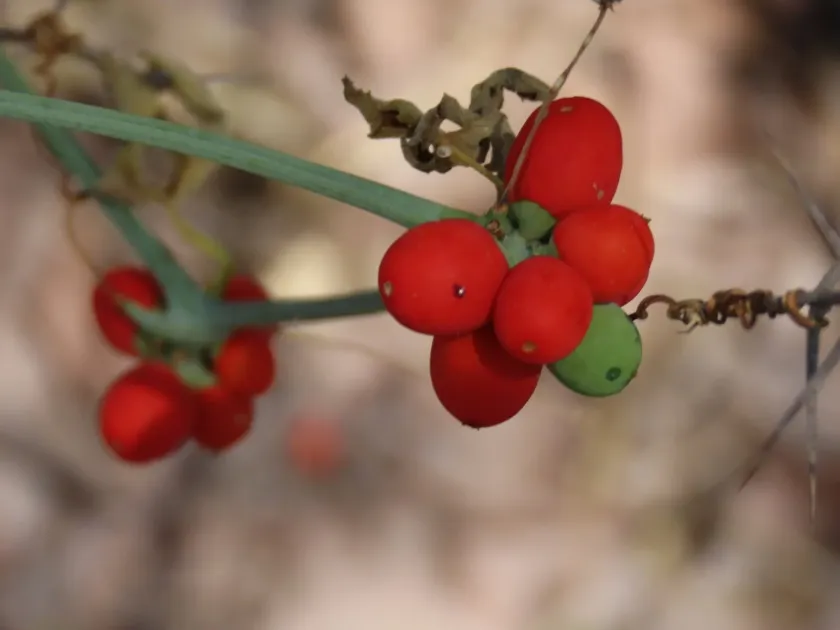
Description
Sowing dates
Propagating Corallocarpus bainesii is primarily done via seeds during the spring months, ensuring soil temperatures are consistently warm, between 22-25 degrees Celsius.
Seeds should be sown in a well-draining, mineral-based substrate to prevent fungal growth during the germination process, which is critical for this species.
Maintain consistent moisture under a clear cover, providing high humidity until the seedlings break the soil surface and start developing their first true leaves.
Once germinated, gradually expose the young plants to natural ventilation to harden them off, which helps prevent etiolation and promotes a robust caudex development.
Careful attention must be paid during the transplanting phase, as the root system is delicate and prone to physical damage if handled improperly.
Growing requirements
Corallocarpus bainesii is a fascinating member of the Cucurbitaceae family, known for its thickened, succulent caudex that functions as a water reservoir in arid climates.
The plant requires full sun to partial shade, with intense light being essential to maintain the compact, ornamental structure of the caudex throughout the growing season.
It thrives in highly porous soil mixes, typically consisting of pumice, coarse sand, and a small amount of organic compost to ensure excellent aeration and drainage.
Watering must follow a strict cycle: allow the soil to dry out completely between waterings, especially in the winter when the plant enters a dormant phase.
The species is sensitive to temperature extremes and should be protected from freezing, ideally kept in a location with stable temperatures during its active growth phase.
Main diseases and pests
Root rot, caused by overwatering or poorly draining soil, remains the most significant threat to the survival and health of Corallocarpus bainesii specimens.
Spider mites are common pests that thrive in the dry, warm environments preferred by this plant, often colonizing the undersides of leaves and weakening the plant.
Mealybugs can also infest the crevices around the stem and the caudex, leading to stunted growth and requiring manual removal or systemic insecticidal treatment.
To prevent disease, ensure adequate air circulation and avoid wetting the caudex surface directly during watering, as this can encourage secondary infections.
Regular inspections are necessary to identify early signs of pest infestation, as the plant's structure makes it difficult to detect insects until they have spread significantly.