
Jacquemontia guyanensis
Jacquemontia guyanensis
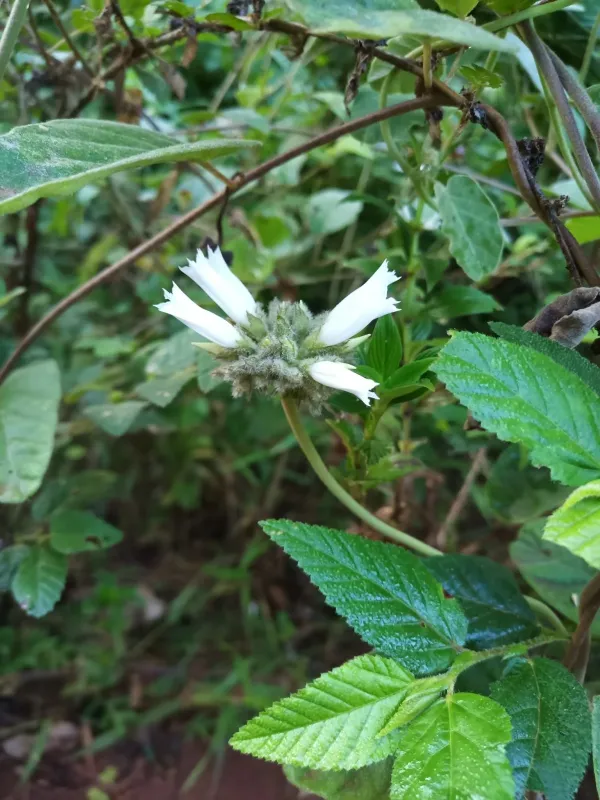
Description
Growing requirements
Jacquemontia guyanensis is a perennial climbing vine belonging to the Convolvulaceae family. Native to the tropical regions of South America, this plant is primarily found in environments with high humidity and consistent warmth throughout the year.
The crop thrives in full sun exposure, which is essential for stimulating its growth and flowering cycles. In agricultural settings, it requires a frost-free environment to maintain its vegetative vigor, as it is highly sensitive to cold temperature stress.
Soil requirements focus on well-draining, nutrient-rich mediums. The plant is particularly susceptible to root rot if water accumulates around the base, necessitating the selection of sandy loam or light volcanic soils with excellent drainage properties.
Cultural management involves providing adequate physical support structures, such as trellises or netting, as the plant exhibits a strong climbing habit. Pruning may be necessary to manage its rapid spread and encourage a more compact growth form if required.
From a botanical standpoint, the species is characterized by its distinct foliage and typical Convolvulaceae floral morphology. Understanding these structural traits is fundamental for effectively managing the plant within its native or greenhouse-controlled habitats.