
Jacquemontia pentanthos
Jacquemontia pentanthos
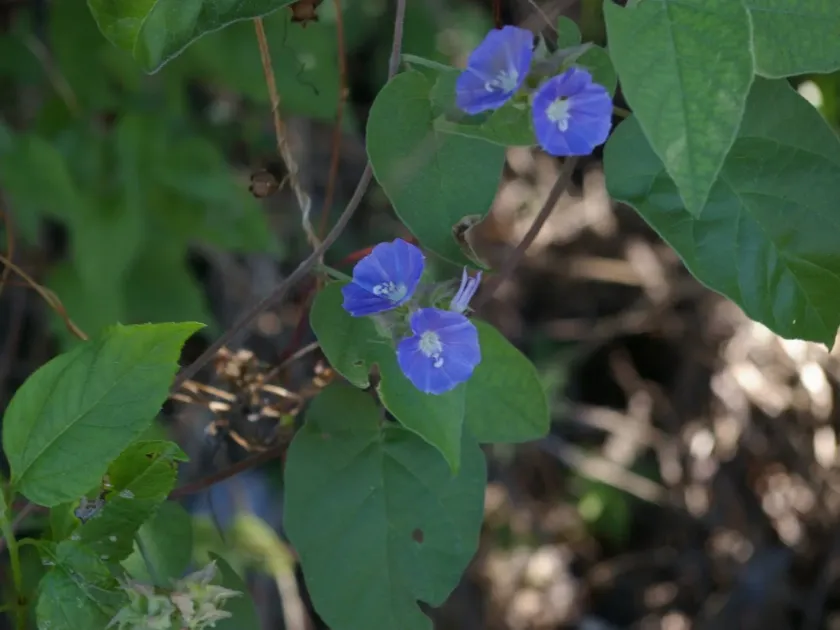
Description
Sowing dates
Jacquemontia pentanthos is a prominent member of the Convolvulaceae family. In its native tropical habitats, seeds are typically sown directly into the soil at the onset of the rainy season.
For cultivation in cooler regions, gardeners should start seeds indoors in late winter. Using a well-draining starting mix, seeds should be sown at a depth of about 0.5 centimeters.
Consistent temperatures between 20 and 25 degrees Celsius are essential for germination. Providing supplemental light after sprouting helps ensure strong, compact seedlings.
Seedlings should be hardened off before moving them outdoors. It is critical to wait until all danger of frost has passed to prevent cold damage to the tender vines.
The spacing between plants should be approximately 50 centimeters to allow for adequate air circulation, which prevents overcrowding and competition for resources.
Growing requirements
This plant thrives in full sun, requiring at least six hours of direct sunlight daily. While it can tolerate partial shade, maximum sun exposure ensures the most prolific blooming.
It prefers fertile, well-draining soil with a neutral pH. The root system is sensitive to waterlogging, so selecting a site with natural drainage or creating raised beds is advisable.
As a vigorous climber, Jacquemontia pentanthos necessitates structural support. Trellises, wire fences, or garden arbors are ideal for displaying its beautiful sky-blue flowers.
Watering requirements are moderate; the soil should be allowed to dry slightly between waterings once the plant is established to encourage a deeper root system.
Fertilizing with a balanced, water-soluble fertilizer every four to six weeks during the peak growing season will support continuous flower production.
Main diseases and pests
Common pests include spider mites and aphids, which are particularly attracted to the plant during hot, dry weather conditions that stress the foliage.
Fungal issues such as powdery mildew can occur if the plant is grown in areas with poor airflow or if the leaves remain wet for extended periods at night.
To mitigate disease risks, always water at the base of the plant rather than overhead, and ensure that the vines are not overly dense.
Regular inspection of the plant canopy is necessary to catch infestations early, allowing for targeted treatment with horticultural soaps or neem oil.
Proper sanitation, including the removal of dead or diseased stems, remains the most effective way to keep the plant healthy throughout the growing season.