
Jacquemontia martii
Jacquemontia martii
Description
Growing requirements
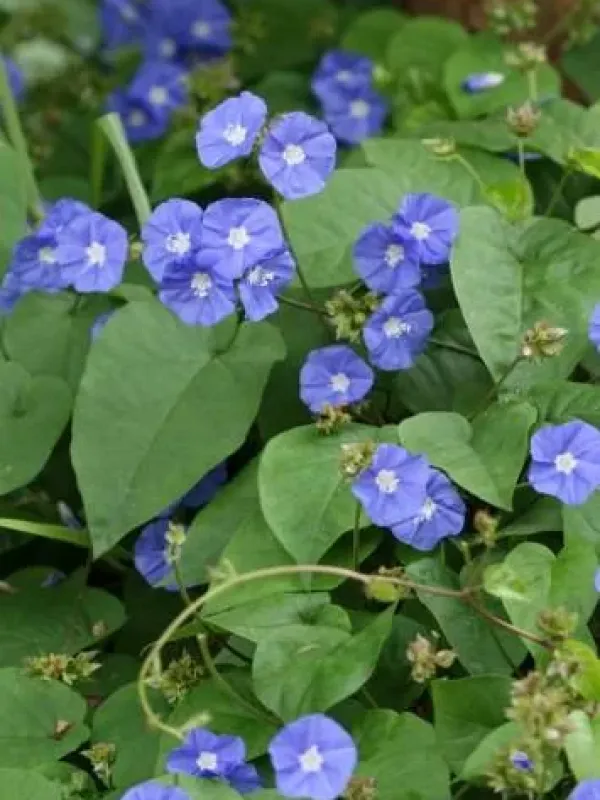
Jacquemontia martii is a member of the Convolvulaceae family, known for its elegant, climbing growth habit and attractive, bell-shaped flowers. It is primarily valued for its ornamental potential in tropical and warm climate gardens.
Originating from South America, specifically Brazil, the plant thrives in environments that mimic its native tropical habitat. It requires significant warmth and consistent light to reach its full vegetative potential during the growing season.
For optimal growth, ensure the substrate is well-draining, rich in humus, and slightly acidic. The plant is sensitive to waterlogging, so containers or garden beds must have a robust drainage system to prevent root hypoxia.
Temperature requirements are strict, as the plant does not tolerate frost. It performs best in temperatures between 20°C and 30°C. In regions with cooler climates, it is cultivated in greenhouses or as an annual plant.
Maintenance involves providing vertical support structures, such as trellises or wires, which allow the plant to spread its vines effectively. Regular pruning helps to manage its size and encourages denser foliage and flowering.
Main diseases and pests
Common pests include spider mites and aphids, which frequently target the soft, growing tips of the plant. These pests thrive in dry environments and can cause significant foliage damage if left unchecked.
Root rot, often caused by pathogens like Phytophthora or Pythium, remains a major threat in poorly drained soils. The disease typically manifests as sudden wilting and browning of the stems near the soil surface.
Integrated pest management (IPM) is recommended to control populations of sucking insects. Using biological controls such as predatory mites or insecticidal soaps can be effective without damaging the environment.
Good air circulation is vital to prevent fungal issues like powdery mildew, which can coat leaves in a white, dusty layer. Avoiding overhead watering is a simple yet effective strategy to reduce the risk of leaf diseases.
Routine monitoring of the plant canopy allows for early detection of potential threats. By maintaining a balance between irrigation and fertilization, the plant remains resilient against most common garden diseases and pest pressures.