
Jacquemontia pycnocephala
Jacquemontia pycnocephala
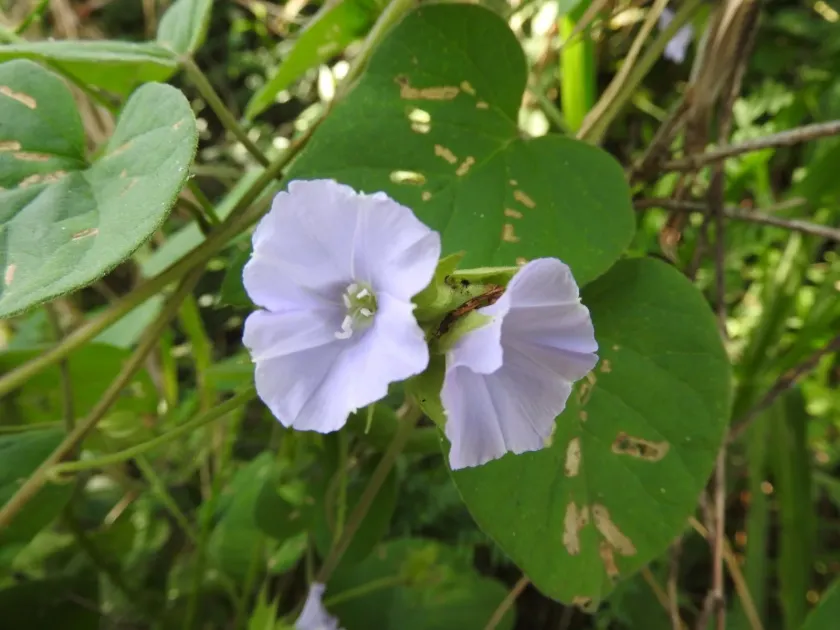
Description
Growing requirements
Jacquemontia pycnocephala is a herbaceous vine belonging to the Convolvulaceae family. Native to tropical regions, it is appreciated for its dense clusters of flowers and vigorous climbing habit.
The species is highly light-demanding, requiring full exposure to sunlight to maintain its compact growth form and induce prolific flowering. Lack of light leads to elongated stems and decreased foliage density.
Soil requirements focus on high aeration and excellent drainage. A substrate composed of a mix of potting soil and sand is ideal, as it prevents the root rot that this species is prone to in heavy soils.
Regarding climate, the plant thrives in warm, stable conditions. It is not cold-hardy and must be protected from temperatures below 18°C, making it suitable for greenhouses or tropical gardens.
The plant requires sturdy supports such as trellises or wires to fulfill its potential as a vertical landscape element. Regular pruning is necessary to manage its growth and encourage fresh blooms throughout the season.
Main diseases and pests
Root rot, caused by pathogenic fungi due to waterlogging, represents the primary threat to the vitality of the plant. Ensuring the substrate remains porous and avoiding standing water is crucial for survival.
Spider mites are common pests that thrive in the same warm environments required by the vine. Regular misting and the use of natural predators or acaricides are standard control measures in professional care.
Aphid infestations on young leaves can significantly weaken the plant. Careful monitoring of shoot tips and immediate application of mild contact insecticides can prevent the spread of these pests.
Poor ventilation promotes the development of powdery mildew, especially in environments with high humidity. Spacing out plants and providing sufficient airflow is the best preventative strategy.
Nutrient deficiency can lead to chlorosis and general stress. A balanced, low-nitrogen liquid fertilizer applied sparingly during the growing season helps sustain the plant's natural disease resistance.