
Jacquemontia sandwicensis
Jacquemontia sandwicensis
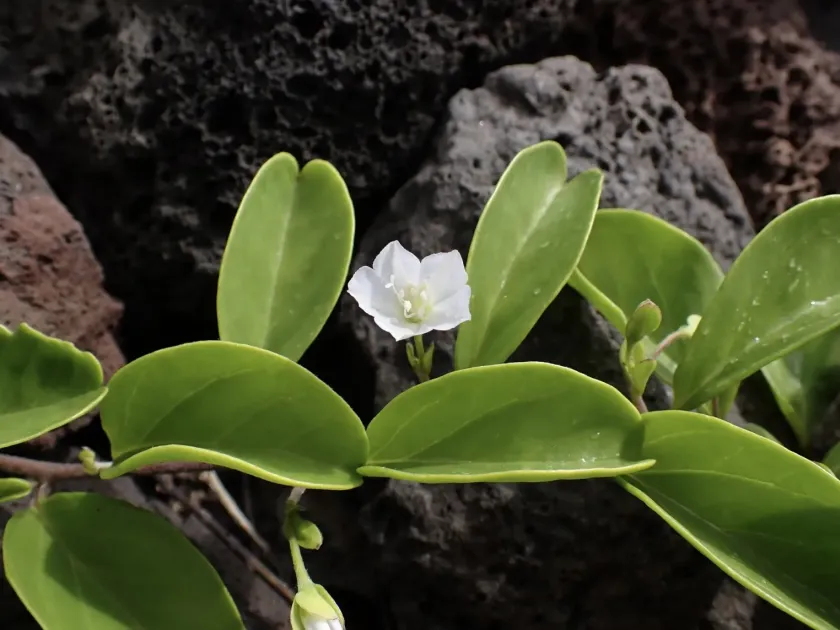
Description
Growing requirements
Jacquemontia sandwicensis is a perennial plant member of the Convolvulaceae (Morning Glory) family. It is widely recognized for its creeping growth habit and drought-tolerant characteristics.
Native to the Hawaiian Islands, this plant thrives in volcanic and coastal soils. It is highly valued in its home range for its ability to stabilize sand dunes and provide ecological cover under harsh conditions.
The plant requires full sun exposure to flourish. While it is naturally hardy against coastal winds and heat, it does not tolerate shade, which results in poor flowering and an overall reduction in plant health.
Soil requirements focus on extreme drainage. Sandy, rocky, or well-aerated substrates are ideal, as the root system of Jacquemontia is highly sensitive to hypoxia and waterlogging caused by heavy clay soils.
This species is strictly tropical and frost-sensitive. Growth and maintenance should be conducted in regions where temperatures remain high throughout the year, or within specialized greenhouse environments with controlled humidity.
Main diseases and pests
Spider mites are the most common pests encountered during greenhouse cultivation. These mites thrive in the dry conditions that the plant prefers, necessitating regular inspection of the foliage underside.
Root rot, specifically caused by overwatering, is the primary disease threat. To prevent this, planters must ensure that the growing medium is completely dry before subsequent watering cycles are applied.
Powdery mildew may occur if the plant is kept in areas with poor ventilation and high humidity. It is recommended to prune dense areas of the plant to improve airflow and reduce fungal habitat.
Aphids can target young, tender shoots during the spring growing season. Integrated pest management strategies, including the use of neem oil or insecticidal soaps, are effective at controlling these outbreaks.
Regular maintenance, including the removal of dead or yellowing vines, helps maintain plant vigor and prevents the accumulation of decaying material that can harbor pathogens.