
Operculina aequisepala
Operculina aequisepala
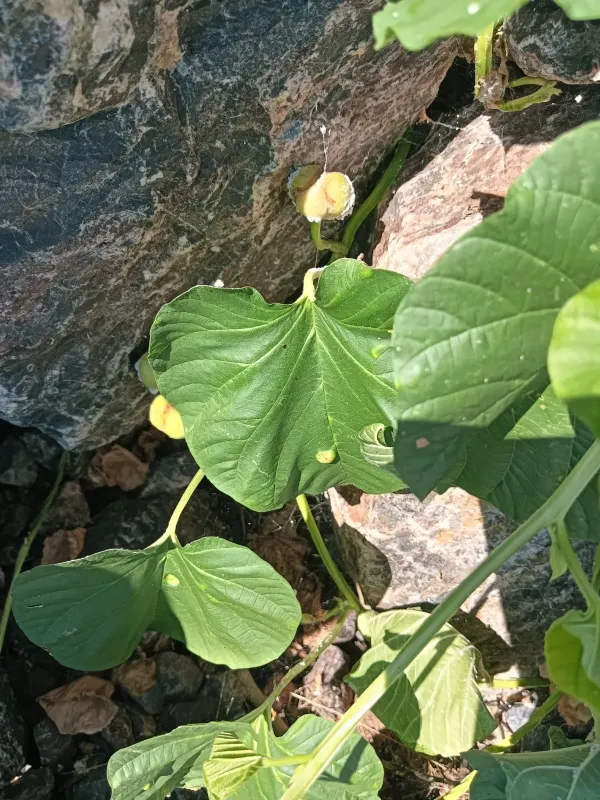
Description
Growing requirements
Operculina aequisepala belongs to the family Convolvulaceae. It is a perennial herbaceous vine known for its rapid growth rate and climbing habit, which requires structural support to reach its full potential.
This species is native to tropical regions of Southeast Asia. Its natural habitat includes humid forest fringes where it benefits from consistent warmth and filtered light conditions throughout the year.
The climate requirements include a stable temperature range, ideally between 20 and 30 degrees Celsius. The plant is extremely frost-sensitive and cannot survive temperatures below 10 degrees Celsius without significant damage.
Regarding soil conditions, the plant prefers well-drained, nutrient-rich loamy soils. Good aeration of the root zone is crucial to prevent oxygen deprivation, which the species does not tolerate well.
The agricultural practice for this crop involves careful trellising to manage the vine's spread. Regular pruning helps maintain the plant's health and ensures better air circulation, which is essential for tropical species.
Main diseases and pests
Spider mites are the most persistent pests for this vine, especially in greenhouse environments with low humidity. They thrive on the underside of leaves, causing significant chlorosis and eventual necrosis.
Powdery mildew often appears during periods of high humidity and poor ventilation. This fungal disease creates a white powdery layer on the leaves, which hinders photosynthesis and severely weakens the plant.
Root rot pathogens, such as Pythium or Phytophthora, are common in soils with poor drainage. Once established, these diseases are difficult to treat, often leading to the sudden death of the entire plant.
Aphid infestations can occur during the spring growth flush. These insects feed on the succulent apical buds, causing leaf curling and distorting the overall growth pattern of the vine.
Leaf spot diseases, caused by various fungal species, may arise if water remains on the foliage for extended periods. Implementing a strict watering schedule that targets the soil rather than the leaves is a primary preventive measure.