
Operculina turpethum
Operculina turpethum
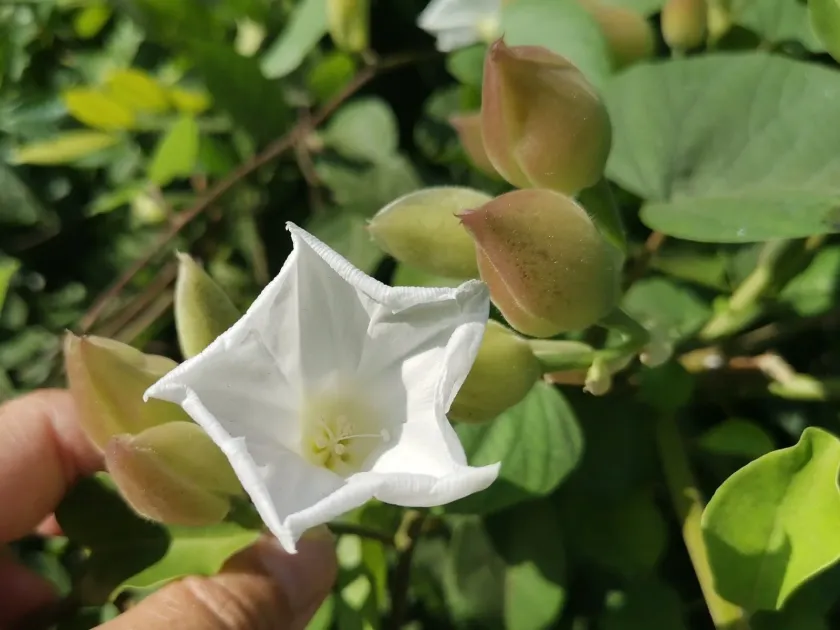
Description
Sowing dates
Operculina turpethum, commonly known as Indian Jalap or Turpeth, belongs to the Convolvulaceae family. The crop is primarily propagated through seeds, which require proper scarification to break dormancy and ensure consistent germination rates in field settings.
Planting is ideally timed with the onset of the monsoon season in its native tropical ranges. The seeds should be sown in prepared nursery beds or directly into fields where soil temperatures remain consistently warm, favoring rapid early-stage root development.
Proper spacing is essential to ensure that each plant receives adequate nutrients and light. A distance of 60 to 80 cm between plants helps facilitate proper airflow, reducing the risk of humidity-related foliage diseases which the plant is sensitive to.
For large-scale cultivation, pre-germination of seeds in containers is often preferred to ensure uniform plant establishment. This method helps maintain high plant density and ensures that every patch of land is utilized efficiently from the start of the season.
Soil moisture management during the germination phase is critical. While the plant is drought-tolerant once established, young seedlings are vulnerable and require a stable, moisture-rich environment to develop their primary taproot systems.
Growing requirements
The plant thrives in well-drained, fertile, sandy-loam soils. A neutral to slightly acidic pH range is generally preferred, as these conditions support optimal nutrient uptake required for the synthesis of secondary metabolites in the roots.
Being a climber, Operculina turpethum requires a trellis or natural support structure. Providing a vertical growth plane is an essential agronomic requirement that prevents the foliage from matting on the ground and rotting in humid conditions.
Sunlight is a major factor in yield quality. The crop requires full sun exposure for at least 6 to 8 hours daily. Adequate light intensity directly correlates with the concentration of resins and glycosides found in the root bark at the time of harvest.
Temperature requirements are strict, as the plant is tropical and sensitive to frost. In regions where temperatures drop significantly, cultivation must be conducted in greenhouses to maintain a stable environment between 25°C and 35°C.
Irrigation should be systematic but cautious. Using drip irrigation is highly recommended to provide water directly to the root zone while keeping the leaves dry, which significantly minimizes the incidence of fungal pathogens common in dense leaf canopies.
Yield
The primary economic output of Operculina turpethum is its root bark, which is valued for its laxative properties. Yields are typically measured by the dry weight of the harvested root systems after the second or third growing season.
Maximum concentration of active chemical constituents is usually achieved before the plant enters the flowering phase. Harvesting at the peak of vegetative growth is therefore vital for maximizing the pharmaceutical market value of the produce.
Soil fertility management, particularly the application of balanced organic fertilizers, plays a significant role in determining the final harvest volume. High-potassium fertilizers are often used to encourage robust root expansion and quality resin production.
Post-harvest processing involves cleaning and drying the roots to ensure longevity. The moisture content must be reduced below a certain threshold to prevent microbial growth during storage, which is a key step in quality control.
Yield stability is maintained by managing plant age within the rotation cycle. Overly mature plants may become too woody, which, while increasing weight, can sometimes decrease the purity of the medicinal compounds per kilogram of raw material.
Main diseases and pests
Root rot is the most significant threat to Operculina turpethum, often caused by stagnant water or poor drainage. This fungal condition can quickly spread through a plantation, requiring immediate removal of affected plants to protect the rest of the crop.
Foliar pests, such as aphids and spider mites, are common in tropical agricultural environments. These pests feed on the leaves, weakening the plant and reducing its photosynthetic capacity, which leads to lower root development rates.
Nematodes pose a hidden threat, attacking the roots directly. Implementing strict crop rotation schedules and avoiding fields previously occupied by solanaceous plants can significantly reduce nematode pressure in the soil.
Weed management is a constant requirement, especially in the early stages of growth. Weeds compete for essential resources and can also serve as alternative hosts for various viruses and pathogens that target the Convolvulaceae family.
Integrated Pest Management (IPM) practices, including the use of neem-based sprays and biological control agents, are recommended to maintain an organic status for the medicinal produce, which is highly sought after by pharmaceutical buyers.
Harvesting
The harvest timing is determined by the decline of the plant’s above-ground green mass. When the vines begin to yellow, it indicates that the plant has shifted energy storage to the roots, marking the optimal time for extraction.
Manual digging or specialized root-lifting equipment is used to carefully pull the root systems from the earth. The roots are then immediately transported to a cleaning area to prevent soil contaminants from embedding into the bark.
Drying is performed in shaded, well-ventilated areas or specialized industrial driers at low heat. High-temperature drying should be avoided, as it can denature the active medicinal compounds stored in the bark.
Once dried, the roots are sorted by size and purity. Any damaged or decayed portions are discarded, as purity standards in the medicinal trade are stringent and essential for maintaining a premium product price.
Storage requires cool, dry, and dark conditions. Proper aeration in storage units is crucial to prevent re-absorption of ambient humidity, which could lead to mold growth and the degradation of the medicinal quality over time.