
Operculina ventricosa
Operculina ventricosa
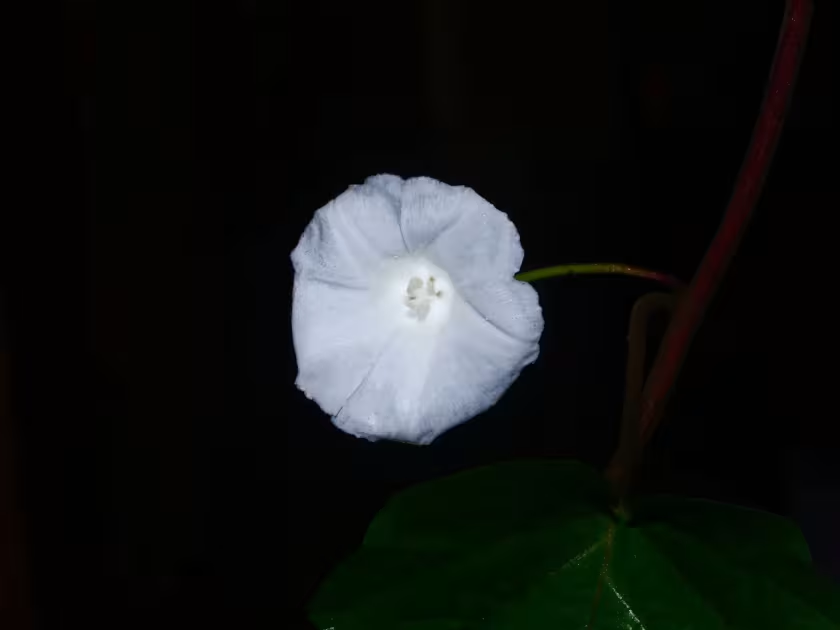
Description
Sowing dates
Operculina ventricosa is a tropical perennial plant; therefore, sowing in open ground is only feasible in regions without sub-zero temperatures.
In temperate climates, seeds should be sown in greenhouses or indoors during late February or early March to raise strong seedlings.
Before sowing, the hard seed coat should be scarified to significantly increase germination rates and shorten the development time.
Seeds are placed in a light, moist substrate at a depth of 1.5 to 2 centimeters to ensure adequate coverage and humidity.
Transplanting to a permanent location must occur only after the risk of frost has passed and the soil has sufficiently warmed up.
Growing requirements
This species belongs to the Convolvulaceae family and acts as a vigorous woody vine that requires sturdy support structures for climbing.
The plant thrives in well-lit areas but must be protected from strong, gusty winds that could easily damage its developing stems.
Regarding soil preferences, it favors loose, well-drained loamy soils with a pH ranging from slightly acidic to neutral for optimal nutrient uptake.
Regular but moderate watering is essential, as the plant is highly sensitive to waterlogged conditions that lead to root decay.
During the active growth season, supplemental feeding with balanced nitrogen-rich fertilizers is recommended to support foliage production.
Main diseases and pests
Common pests affecting Operculina ventricosa, especially in greenhouse conditions, include spider mites and whiteflies that damage leaf tissue.
High humidity and poor ventilation increase the risk of fungal infections such as powdery mildew and various types of root rot.
Preventive strategies involve maintaining proper spacing between plants to ensure airflow and performing routine inspections of the foliage.
If pest infestations occur, approved horticultural insecticides or acaricides should be used according to local safety regulations.
Prompt sanitary pruning of damaged or diseased stems is a critical practice to minimize the spread of pathogens and maintain plant vigor.