
Disporum uniflorum
Disporum uniflorum
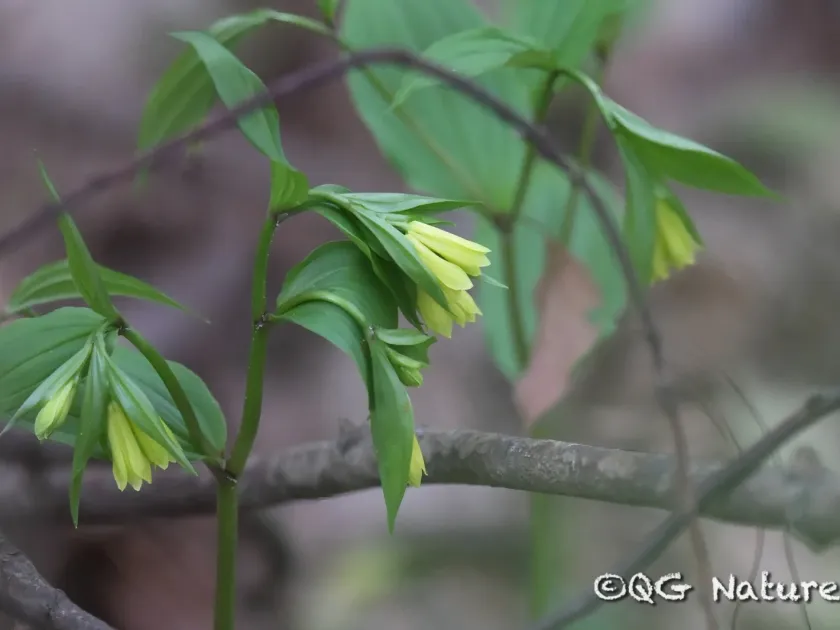
Description
Growing requirements
Disporum uniflorum is a herbaceous perennial belonging to the Colchicaceae family. It is widely recognized for its delicate, arching stems and attractive, bell-shaped flowers that appear in spring, making it a perfect candidate for shaded garden spots.
Originating from the forests of East Asia, specifically regions in China and Korea, this plant is naturally adapted to woodland conditions. It thrives in locations where dappled sunlight or deep shade is available throughout the day.
The soil requirements focus on high organic content and excellent drainage. Disporum uniflorum performs best in loamy, slightly acidic soils that remain consistently moist, mimicking the conditions of its native forest floor habitat.
In terms of climate, the plant prefers cool to temperate conditions. It is sensitive to extreme heat and prolonged drought, necessitating regular irrigation during dry spells to maintain soil moisture levels and plant health.
Cultural practices are relatively straightforward, primarily involving the application of organic mulch each year. This mimics leaf litter, helps conserve soil moisture, regulates temperature, and gradually adds essential nutrients to the substrate.
Main diseases and pests
The most significant pests affecting Disporum uniflorum are slugs and snails. These mollusks are particularly drawn to the succulent young shoots emerging in the spring and can cause considerable aesthetic damage if left unchecked.
Root rot is a common threat, usually resulting from poorly drained soil or overwatering during dormant periods. Ensuring that the planting site has adequate permeability is the most effective preventative measure against soil-borne pathogens.
Fungal leaf spot diseases can occur during periods of high humidity and poor air circulation. To minimize this risk, it is important to provide sufficient spacing between plants to allow for proper airflow.
Aphids may occasionally infest the plant, typically colonizing the underside of leaves. While they rarely cause fatal damage, they can weaken the plant and serve as vectors for secondary viral infections if the population becomes large.
Maintaining a clean garden environment is vital for plant health. Clearing away dead foliage in late autumn helps reduce the potential for disease carryover and removes overwintering sites for common garden pests.