
Disporum sessile
Disporum sessile
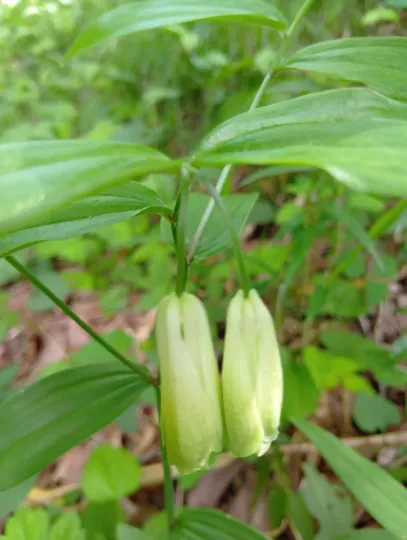
Description
Sowing dates
Propagation of Disporum sessile is primarily performed through rhizome division during the early spring or autumn. This method ensures the best success rate and allows the plant to establish itself quickly in the garden environment.
When planting, it is crucial to place the rhizomes at a depth of about 5-10 centimeters in well-draining, nutrient-rich soil. Proper spacing of 30-40 centimeters is recommended to allow for healthy growth.
Seed propagation is possible but requires a cold stratification period lasting several months. This technique is best suited for experienced gardeners looking to maintain genetic diversity within their plant collection.
Successful establishment depends heavily on the quality of the soil preparation. Incorporating organic matter into the planting site prior to placement will improve moisture retention and soil structure.
Once planted, Disporum sessile is relatively slow to spread. Minimizing disturbance to the roots after the initial planting phase is key to ensuring long-term vigor and health.
Growing requirements
As a member of the Colchicaceae family, Disporum sessile is a shade-loving species that thrives in woodland environments. It is ideal for shaded borders or understory areas beneath canopy trees.
The plant demands consistently moist, fertile, and slightly acidic soil. It is intolerant of drought, and prolonged dry spells will cause leaf margin browning and plant dormancy.
Mulching with leaf mold or compost is an essential agricultural practice for this species. This mimics its natural forest floor habitat and helps regulate soil temperature and moisture levels.
Disporum sessile displays significant cold hardiness and is suitable for various temperate climates. However, providing a sheltered location helps protect the delicate foliage from early spring frosts.
While moisture is critical, the site must offer good drainage. In regions with heavy rainfall, ensure the planting area is slightly elevated to prevent water from pooling around the rhizomes.
Main diseases and pests
Slugs and snails are the most common pests that pose a threat to the lush, succulent foliage of Disporum sessile. Regular monitoring and physical barriers are often the best methods for management.
Root rot is the primary disease risk, often caused by waterlogged soil conditions. If the soil remains saturated for long periods, the rhizomes may decay, leading to the collapse of the entire plant.
To mitigate disease pressure, it is important to provide proper spacing and avoid excessive overhead watering. Ensuring good air circulation around the plants will discourage the development of fungal pathogens.
Mildew can occasionally occur in humid, stagnant conditions. Managing the planting density and removing infected leaves promptly will typically prevent the spread of these issues.
Overall, maintaining plant health through proper moisture control and nutrient balance is the most effective way to prevent pest and disease infestations in Disporum sessile patches.