
Disporum smilacinum
Disporum smilacinum
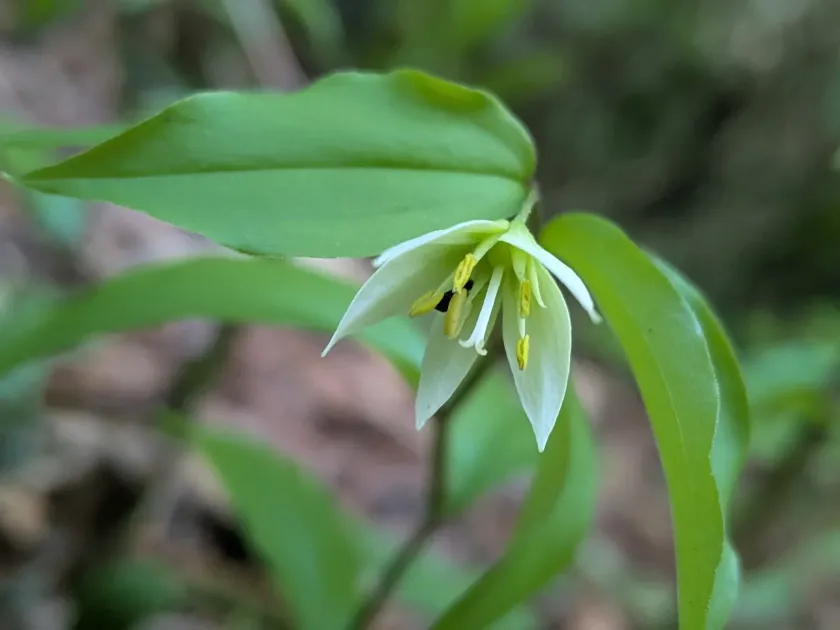
Description
Sowing dates
Propagation of Disporum smilacinum is most effectively achieved through the division of rhizomes during the early spring or autumn. This method ensures that the new plants retain the exact characteristics of the parent and helps manage the size of established clumps.
Seed propagation is also possible but requires a cold stratification period of several months to break dormancy. Seeds should be sown in a sterile, moisture-retentive substrate and kept in cool conditions until germination occurs in the following spring.
When transplanting, ensure the rhizomes are planted at a shallow depth of about 2 to 3 centimeters in loose, well-draining soil. Providing a consistent planting depth helps the young plant establish its root system without excessive pressure from the topsoil.
Select a location that replicates natural woodland conditions, such as the shaded side of a building or under large trees. The site should offer protection from high winds and harsh midday sun, which can dehydrate the plant rapidly.
After planting, apply a generous layer of organic mulch to the surrounding area. This practice mimics the leaf litter of the forest floor, keeps the soil cool, and maintains the consistent moisture levels that Disporum requires to thrive.
Growing requirements
As a member of the Colchicaceae family, Disporum smilacinum demands a soil profile rich in organic matter. It thrives in loamy, slightly acidic to neutral soils that provide sufficient nutrient content for strong vertical growth and foliage development.
Temperature requirements are generally moderate; the plant is hardy and adapted to temperate zones. However, it requires protection against extreme temperature fluctuations, particularly during dry springs when the soil may warm up and lose moisture too quickly.
Light levels are crucial for this species: it is a true shade lover. While it can tolerate dappled light, direct exposure to afternoon sun will result in leaf burn and stunted development, reducing the overall aesthetic appeal of the perennial.
Maintaining high humidity and soil moisture is essential for success. During periods of low rainfall, irrigation should be focused on the base of the plant to keep the foliage dry, thereby reducing the risk of water-borne fungal infections.
Routine maintenance includes light fertilization with compost or leaf mold applied in early spring as new shoots emerge. This provides the slow-release nutrients needed for healthy growth and prevents the soil from becoming overly compacted over time.
Main diseases and pests
Slugs and snails are the primary pests of Disporum smilacinum, especially during the spring when tender shoots emerge. Their feeding can cause significant damage to the foliage, necessitating the use of organic deterrents or traps to protect the plant.
Fungal diseases like grey mold or leaf spots can occur if the site has poor air circulation or if the soil stays saturated for too long. Improving drainage and ensuring correct spacing between plants are the best preventative measures against these pathogens.
Root-feeding larvae, such as those of the wireworm, may occasionally cause issues if the garden soil is not properly prepared. Monitoring the plant for sudden wilting or signs of decline can help identify subterranean pest problems before they become severe.
To avoid spreading pathogens, it is advised to remove dead foliage and debris from the plant base at the end of the growing season. This sanitation practice removes potential overwintering sites for fungal spores and insect pests.
Choosing a site with natural ecosystem balance is often enough to keep the plant healthy. Most problems associated with this species are caused by inadequate site selection, such as too much sun or poor soil drainage, rather than innate susceptibility to pests.