
Disporum viridescens
Disporum viridescens
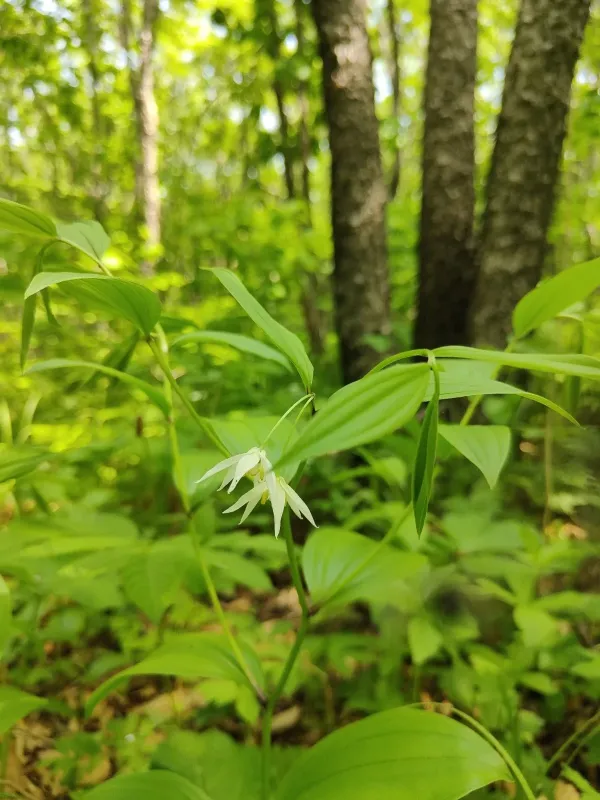
Description
Sowing dates
Disporum viridescens is a perennial herbaceous plant belonging to the Colchicaceae family. It is typically propagated through division of the rhizomes, as seed germination can be challenging and slow.
The optimal time for dividing and replanting is early spring, right before the start of the new growth season. Autumn planting is also successful in regions with mild winters, provided the plants are well-mulched.
If seeds are used, they require cold stratification. Sowing is best performed in late autumn in containers kept outdoors, allowing natural temperature fluctuations to break seed dormancy.
The planting substrate should be enriched with organic matter, such as leaf mold or well-rotted compost. A depth of 1-2 centimeters is sufficient for successful germination.
Seedlings should be kept in a shaded nursery area for their first year to protect them from environmental stress before they are transplanted to their permanent location in the garden.
Growing requirements
Disporum viridescens is a woodland plant that thrives in shaded or semi-shaded environments. It should be shielded from intense, direct sunlight to prevent leaf scorching and desiccation.
The soil must be rich in organic content, moist, and well-drained. A slightly acidic to neutral pH level is preferred to mimic the forest floor conditions where this species originates.
Consistent moisture is key to the health of the plant. Regular watering is required, especially during periods of low rainfall, to keep the root system hydrated throughout the summer.
Mulching is essential for this species. Applying a thick layer of organic mulch helps retain soil moisture, suppress weeds, and regulate soil temperature during the heat of summer.
The plant demonstrates excellent winter hardiness once established. It does not require specific climate control other than protection from extreme heat and long periods of absolute drought.
Main diseases and pests
Slugs and snails are the most significant pests for this species. They are particularly attracted to the tender emerging shoots, which necessitates the use of barriers or organic deterrents.
Root rot can occur if the plant is grown in heavy, poorly drained soil. Ensuring excellent drainage through the addition of grit or perlite is a preventative measure for long-term health.
Fungal leaf spots may appear during exceptionally wet seasons. If detected, thinning the plants to improve air circulation and removing affected leaves is recommended to stop the spread.
Aphids might occasionally colonize the undersides of the leaves. While usually not fatal, a strong water spray or neem oil treatment is effective for controlling minor infestations.
Competition from aggressive weeds can stunt the growth of Disporum viridescens. Regular hand-weeding is necessary to ensure the plant receives adequate nutrients and space to spread its rhizomes.