
White alder
Clethra tomentosa Lam.
Description
Growing requirements
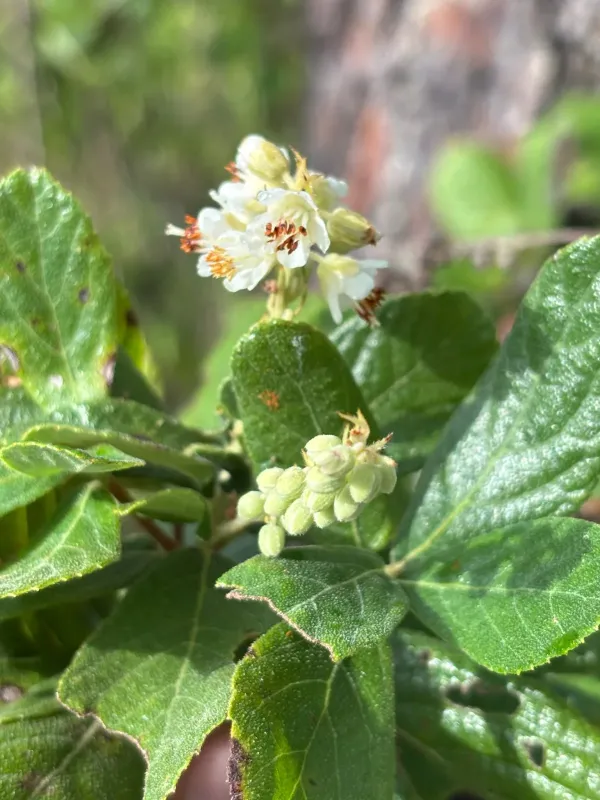
Clethra tomentosa, commonly known as white alder or woolly sweet pepperbush, is a deciduous shrub belonging to the Clethraceae family. It is highly valued for its fragrant, white, bottle-brush flowers that bloom late in the season, providing nectar for bees and butterflies.
Originating from the southeastern United States, this species is naturally found in wetlands, swamps, and along stream banks. Because of its native habitat, it is an excellent choice for rain gardens or areas in the landscape that experience seasonal flooding or consistently damp conditions.
The cultural requirements for this plant focus heavily on soil chemistry. It thrives in acidic, organic-rich soils. If the soil pH is too high, the plant will struggle with nutrient uptake, leading to chlorosis and stunted growth, so maintaining low pH is critical for success.
Regarding climate, the plant is adaptable to both full sun and partial shade. However, in regions with intense summer heat, afternoon shade is highly recommended to prevent the foliage from scorching and to help keep the root zone cool and sufficiently moist throughout the summer.
In terms of agricultural and horticultural use, this shrub serves as a late-summer bridge for pollinators. Its ability to thrive where other plants fail due to wet feet makes it a functional and aesthetic staple for sustainable landscape design projects in temperate climates.
Main diseases and pests
While Clethra tomentosa is generally robust, it can be susceptible to root rot if planted in heavy clay soils with poor drainage. Ensuring that the site allows for some movement of water is essential to maintain a healthy root system and prevent decay.
Aphids are the most common pests found on the fresh, tender growth during the early spring. These insects cluster on the stems, potentially weakening the plant if left unchecked, so monitor growth points closely during the first few weeks of the growing season.
Spider mites may become a localized threat during periods of extreme drought and low humidity. The symptoms of their activity include fine webbing and stippling on the leaves, which can eventually lead to premature leaf drop if the infestation remains severe.
Leaf spot diseases can occur if air circulation is insufficient, especially in regions with high humidity. Pruning to maintain an open canopy structure is a primary cultural practice that helps improve airflow and reduces the risk of foliage pathogens taking hold.
Nutrient imbalances often manifest as leaf chlorosis, which is frequently mistaken for disease. Addressing the soil pH first is vital before applying heavy pesticide treatments, as many supposed pest issues with this shrub are actually symptoms of underlying environmental stress.