
Japanese clethra
Clethra barbinervis Siebold & Zucc.
Description
Growing requirements
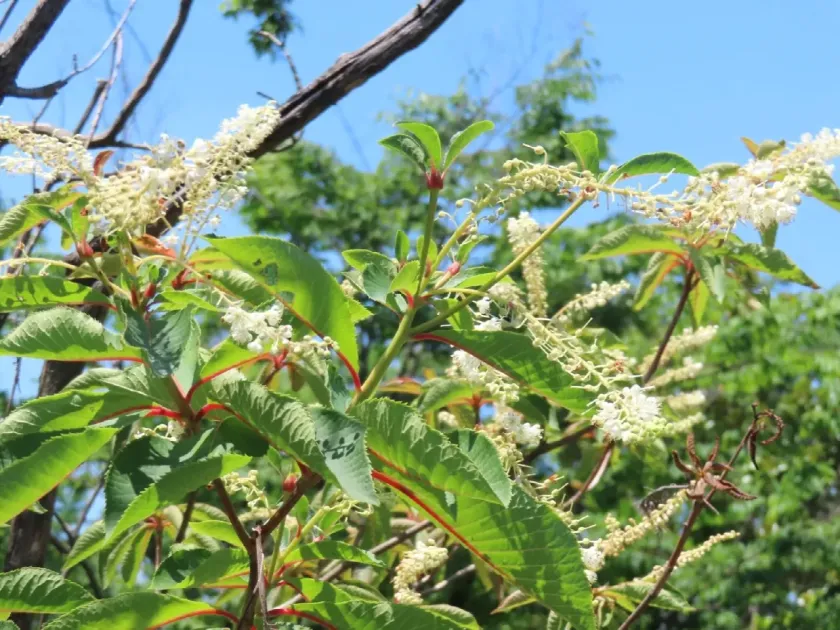
Japanese clethra (Clethra barbinervis) is an exquisite deciduous shrub or small tree belonging to the Clethraceae family. Native to the forests of Japan, China, and Korea, this plant is highly valued for its striking, exfoliating bark and late-summer fragrant blooms.
The cultural requirements for this plant are strict: it thrives only in acidic, humus-rich, and well-draining soils. It is intolerant of alkaline conditions, which quickly induce chlorosis, manifesting as yellowing leaves and stunted growth.
In terms of climate, it prefers regions with high humidity and protection from harsh, drying winds. While it can tolerate partial shade, it performs best in spots where it receives adequate moisture throughout the growing season.
Agricultural maintenance centers on maintaining soil moisture through consistent watering and organic mulching. Peat moss, pine needles, or shredded bark are ideal mulch types to preserve soil acidity and moisture levels around the shallow root zone.
Its primary use is in ornamental landscaping, particularly in woodland gardens or as a focal point in acid-soil gardens. It provides seasonal interest through its summer white racemes and vibrant yellow to orange autumn foliage.
Main diseases and pests
The Japanese clethra is relatively robust but remains susceptible to spider mites during hot and dry spells. Keeping the foliage hydrated and the surrounding soil cool are the best natural defenses against these pests.
Root rot is a significant risk in poorly drained soils. Excess moisture inhibits root respiration and encourages fungal growth, making proper site selection and soil amendment crucial for the long-term health of the shrub.
Powdery mildew can occur if the plant is situated in an area with poor air circulation or excessive overcrowding. Pruning to open the canopy helps improve airflow and reduces the likelihood of fungal outbreaks.
Physiological distress often stems from nutritional imbalances. Iron deficiency, caused by a pH level that is too high, is the most common health issue observed in cultivated specimens outside of their native range.
Integrated pest management (IPM) practices, including regular inspections and the use of insecticidal soaps if necessary, help maintain the shrub's aesthetic value. Avoiding broad-spectrum pesticides preserves beneficial insects that help control pest populations.