
Clethra acuminata
Clethra acuminata Michx.
Description
Growing requirements
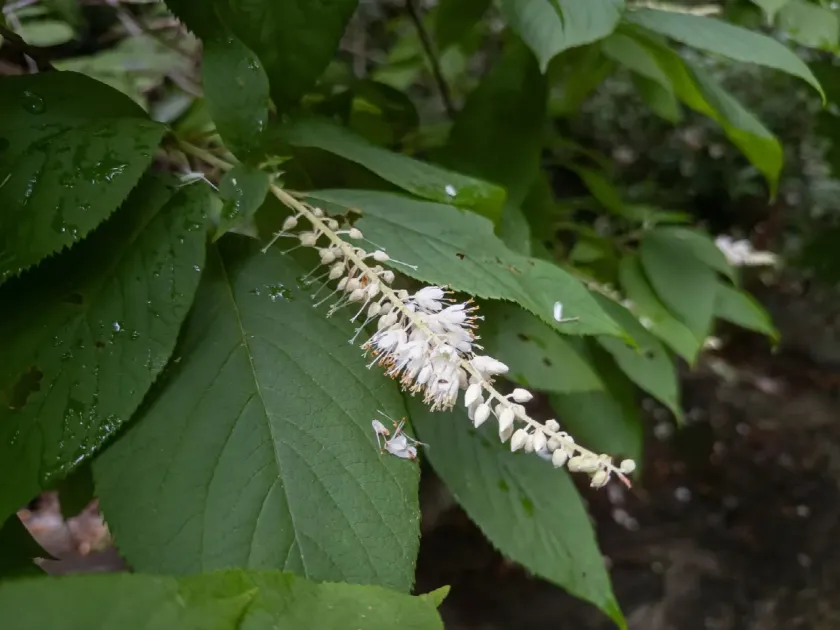
Clethra acuminata, commonly known as the mountain pepperbush, is a deciduous shrub or small tree belonging to the Clethraceae family. It is native to the southeastern United States, naturally occurring in moist, shaded mountain forests.
This species thrives in acidic, humus-rich, and consistently moist soils. Success in cultivation depends heavily on maintaining a high level of soil moisture, as the plant is highly intolerant of drought, which can quickly lead to desiccation of the foliage.
The ideal location for Clethra acuminata is partial shade, as it prefers protection from intense midday sun. While it can adapt to various conditions, consistent moisture and protection from drying winds are the most significant factors for vigorous growth.
The horticultural management of this plant involves annual mulching with organic material such as pine bark or peat moss. This practice not only preserves soil moisture but also helps maintain the low pH levels required for the plant's physiological health.
In landscaping, this species is highly valued for its fragrant, raceme-like flower spikes that bloom in mid-summer. Additionally, it provides seasonal interest with its vibrant foliage colors in autumn, making it an excellent addition to woodland gardens.
Main diseases and pests
Clethra acuminata is generally robust, but it can suffer from iron chlorosis if planted in soils with an inadequate pH balance. Providing supplemental iron chelates and organic soil amendments is essential to keep the leaves green and functioning properly.
Powdery mildew is a common fungal threat when air circulation is poor. Proper spacing and selective pruning of crowded branches are effective cultural practices to reduce humidity levels within the canopy and prevent fungal growth.
Spider mites can be problematic during hot, dry spells. Keeping the plant properly hydrated and occasionally washing the foliage with a steady stream of water can significantly reduce mite populations without the need for chemical intervention.
Aphids may infest new, succulent growth during the spring, causing leaf curling. Regular monitoring is encouraged, and if infestations persist, targeted use of insecticidal soaps or horticultural oils is usually sufficient to mitigate the damage.
Root rot is the most dangerous condition for Clethra, typically caused by waterlogged soil. Ensuring adequate soil drainage before planting is the most effective way to prevent this lethal disease, which often goes unnoticed until the plant wilts.