
Sweet pepperbush
Clethra alnifolia L.
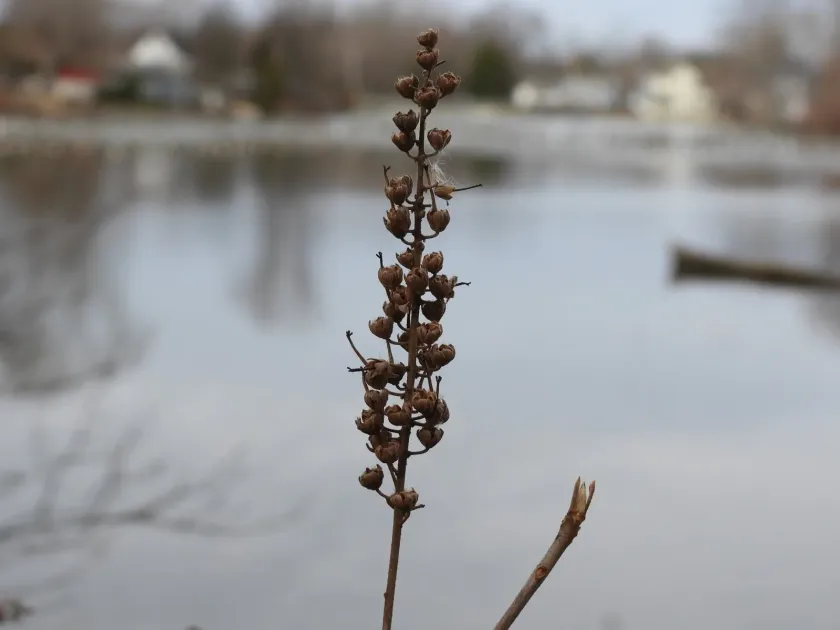
Description
Growing requirements
Clethra alnifolia, commonly known as sweet pepperbush, is a deciduous shrub belonging to the Clethraceae family. Native to the eastern United States, it is primarily found in wetland habitats, wet thickets, and along stream banks, indicating its strong preference for high moisture environments.
The plant is widely recognized for its upright, terminal racemes of white or pink flowers that bloom in mid-to-late summer. These flowers are highly fragrant, attracting bees, butterflies, and other pollinators, making the shrub a valuable addition to nectar-rich garden designs.
Successful cultivation requires acidic soil that remains consistently moist. Unlike many other ornamental shrubs, sweet pepperbush thrives in wet, heavy soils and can even tolerate periods of standing water, though it performs best in well-drained but organically rich, acidic conditions.
In terms of light exposure, the plant is versatile, growing well in full sun to partial shade. In warmer climates, some afternoon shade is recommended to protect the foliage from scorching and to help maintain soil moisture levels essential for plant vitality.
From a landscaping perspective, Clethra alnifolia is an excellent choice for rain gardens, borders, and woodland settings. Its ability to provide late-season fragrance and vibrant autumn foliage colors makes it a multi-seasonal feature plant for both private and public gardens.
Main diseases and pests
The primary concern for sweet pepperbush is foliage health, specifically the prevention of powdery mildew and leaf spot diseases. Ensuring proper spacing between plants helps promote air circulation, which significantly reduces the incidence of fungal pathogens in damp environments.
In terms of pests, spider mites can occasionally cause damage during prolonged dry spells or heatwaves. Maintaining adequate soil moisture and providing occasional overhead misting can discourage mites and keep the plant vigorous enough to withstand minor infestations.