
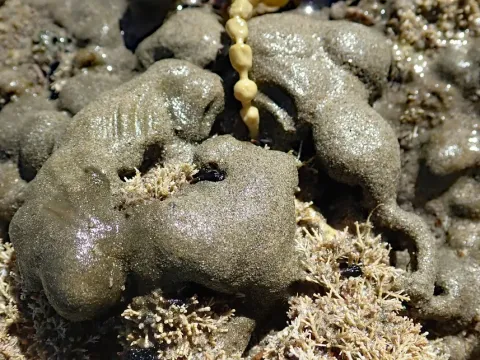
Cladophora
Cladophora
Cladophora is a filamentous green alga belonging to the Cladophoraceae family, characterized by its rapid vegetative growth. Cultivation primarily starts by introducing biomass fragments into a suitable aquatic environment, which acts as a seed source.
What the section contains


Cladophora
For industrial production, the inoculation process involves distributing these algal fragments evenly across a controlled water surface. Spring is generally the most favorable season to initiate culture growth due to increasing day length and solar intensity.
Successful establishment of the crop requires an appropriate initial density of the inoculum. Overcrowding can lead to resource competition, while too thin a spread may fail to reach the desired productivity threshold quickly enough.
Vegetative propagation is the main method of reproduction, where fragmentation triggers the rapid division of cells. Using mesh-based substrates allows farmers to support the structural growth of the alga effectively.
Maintenance of the seed culture ensures that the genetic purity and vigor of the alga are preserved throughout multiple production cycles in specialized cultivation basins.
Cladophora thrives in clean, oxygenated freshwater or brackish water environments. The availability of dissolved nutrients, particularly nitrogen and phosphorus, is essential for promoting robust filamentous development.
Optimal growth temperatures for most species fall between +15°C and +25°C. Managing the water temperature is crucial, as extreme heat or cold can severely impair the alga's metabolic functions.
Light exposure must be balanced; excessive direct sun can be detrimental, while insufficient light limits photosynthetic activity. Shallow tanks or raceway systems are often used to ensure uniform light penetration.
Maintaining a water pH between 7.0 and 8.5 is recommended for healthy cell wall formation. Regular monitoring and correction of water parameters are vital for sustaining a high-quality crop.
Aeration or water circulation is necessary to prevent stagnant areas. This process ensures that nutrients are evenly distributed throughout the cultivation unit, fostering consistent growth patterns.
The yield of Cladophora is highly dependent on the level of management provided within the cultivation system. Intensive farming techniques can produce several tons of dried biomass per hectare annually.
Regular harvesting of partial biomass stimulates the remaining colonies, encouraging faster regeneration and higher overall output. This cycle of rejuvenation is a cornerstone of efficient algae management.
Strategic supplementation with nitrogen-based fertilizers can significantly boost yield, provided the dosing is carefully calibrated to prevent excessive blooms of undesirable organisms.
Controlled environments like photobioreactors provide the most predictable yield results, allowing for consistent scheduling of harvesting and processing operations throughout the year.
Quality control remains essential, as the purity of the harvested biomass determines its final market value. High-yield systems must prioritize cleanliness to produce marketable products for animal feed or bioremediation.
Epiphytic algae and parasitic fungi represent significant threats to Cladophora crops, as they compete for space and nutrients. These pests can rapidly colonize the filaments, degrading the product's quality.
Invasive zooplankton and insect larvae can consume large quantities of the biomass, leading to substantial yield losses. Biological control methods are often required to manage these pest populations effectively.
Viral infections can cause massive lysing of the cells, resulting in a sudden collapse of the crop. Rapid isolation of affected water basins is essential to prevent the spread of the disease to healthy stocks.
Environmental stressors, such as the accumulation of heavy metals or sudden chemical shifts, can weaken the culture. Weakened alga becomes highly susceptible to opportunistic bacterial pathogens.
Maintaining high sanitary standards for equipment and ensuring the stability of the water environment are the primary defenses against these biological and chemical threats to the crop.
Harvesting Cladophora involves the mechanical extraction of the algal mats using specialized nets, rakes, or automated conveyor belts. Care must be taken to remove only the mature portions of the filaments.
Post-harvest processing includes thorough rinsing to remove sediments, sand, and other debris. Cleanliness is paramount for ensuring the high quality required for agricultural or industrial applications.
Drying is a critical step that must be performed carefully to prevent microbial spoilage. Techniques range from sun-drying on drying beds to high-efficiency industrial low-temperature dehydration.
The dried product is often milled into a fine powder, which serves as a nutrient-rich additive in animal feed or as a soil conditioner. Storage should be in cool, dry conditions to preserve nutrients.
Proper harvest scheduling, aligned with the peak biomass density, ensures the highest nutritional value. This timing is essential for maximizing the economic return on the cultivated resources.