
Cladophora glomerata
Cladophora glomerata
Description
Growing requirements
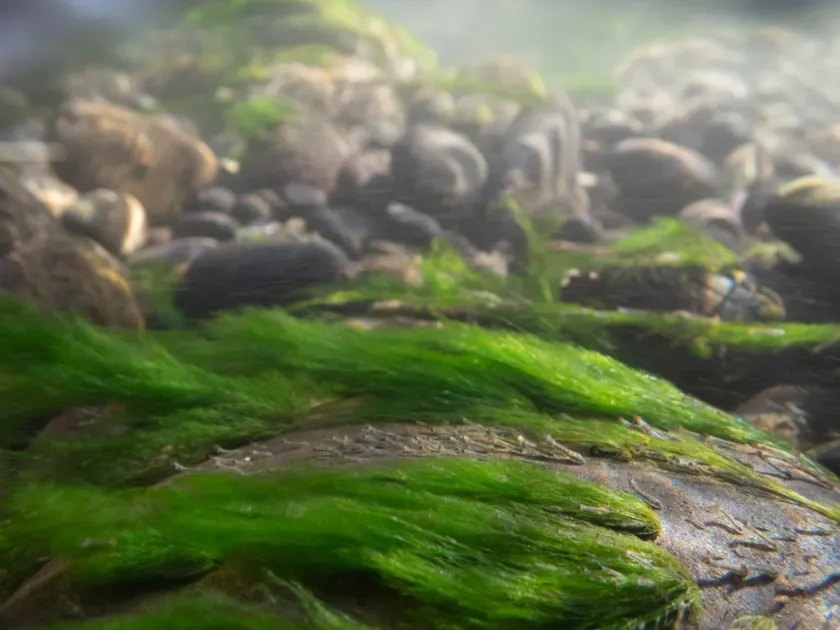
Cladophora glomerata is a multicellular filamentous green alga belonging to the Cladophoraceae family. It is widely recognized for its rapid growth in various freshwater ecosystems, where it forms dense, branched, and silky mats.
For successful cultivation, this species requires high light intensity and an abundant supply of nutrients, primarily nitrogen and phosphorus. The ideal temperature range for rapid biomass production is between 15 and 22 degrees Celsius.
The culture thrives in well-oxygenated, flowing water. In an agricultural setting, it must be provided with a stable substrate, such as rocks or synthetic grids, to which the filaments can anchor securely via their rhizoids.
Maintaining proper water chemistry is crucial for the health of the crop. A neutral to slightly alkaline pH level, along with consistent mineral levels, ensures the stability of the population and prevents sudden die-offs.
Because the plant absorbs nutrients directly through its surface, the water environment must be carefully monitored. Stagnant water often leads to poor development and the risk of pathogen accumulation, making water circulation a fundamental requirement.
Yield
Cladophora glomerata is increasingly valued in the agricultural sector for its high protein content and essential minerals. When harvested and dried, it serves as a nutrient-rich organic fertilizer that enhances soil health.
In aquaculture, the biomass is utilized as a feed additive for various fish and poultry species. Its nutritional profile, rich in pigments and bioactive compounds, promotes better growth rates and immune system support.
The alga is a powerful tool for phytoremediation. It is used to filter agricultural wastewater, as it rapidly extracts excess phosphorus and nitrogen, preventing the eutrophication of nearby water bodies.
Commercial yields are optimized through controlled environment agriculture, such as large-scale open raceway ponds or closed-tank systems. Proper planning of light exposure and nutrient dosing allows for multiple harvests throughout the season.
Harvesting techniques involve mechanical raking or specialized netting systems. Post-harvest, the product is typically processed through solar drying or granulation to preserve its structural integrity and nutrient density.
Main diseases and pests
Parasitic fungi represent a significant biological threat to the crop, as they can cause rapid degradation of the filaments. Regular inspection and environmental adjustment are necessary to prevent the spread of infections.
Certain zooplankton and small aquatic invertebrates act as pests by consuming the biomass. Maintaining a clean water intake and using filtration screens are effective management strategies to protect the cultivation beds.
Environmental stress, such as extreme heat or sudden shifts in water quality, can lead to mass decomposition of the algae mats. This not only results in yield loss but also affects water oxygen levels, which requires immediate remediation.
Contamination of the water supply by heavy metals or industrial pollutants renders the harvested biomass unsafe for livestock or soil application. Regular chemical testing of the water source is mandatory for quality control.
Competition from other algal species, particularly invasive цианобактерии (cyanobacteria), can significantly reduce the productivity of the crop. Proactive management of nutrient balance is key to ensuring the dominance of the desired species.