
Cladophora laetevirens
Cladophora laetevirens
Description
Sowing dates
The industrial cultivation of Cladophora laetevirens begins with the meticulous preparation of inoculum, which is then deployed onto pre-arranged aquatic substrates.
Spring is identified as the optimal time for establishing new crops, as rising water temperatures promote rapid vegetative growth and cell division.
The propagation method relies heavily on the natural fragmentation of the thallus, which allows for quick biomass expansion under controlled conditions.
Regulating the density of the inoculum on the substrate is essential to minimize competition for nutrients and space during the initial colonization phase.
Closed-loop cultivation systems require pre-treatment of water and precise salinity regulation to ensure the successful attachment of the algal fragments.
Growing requirements
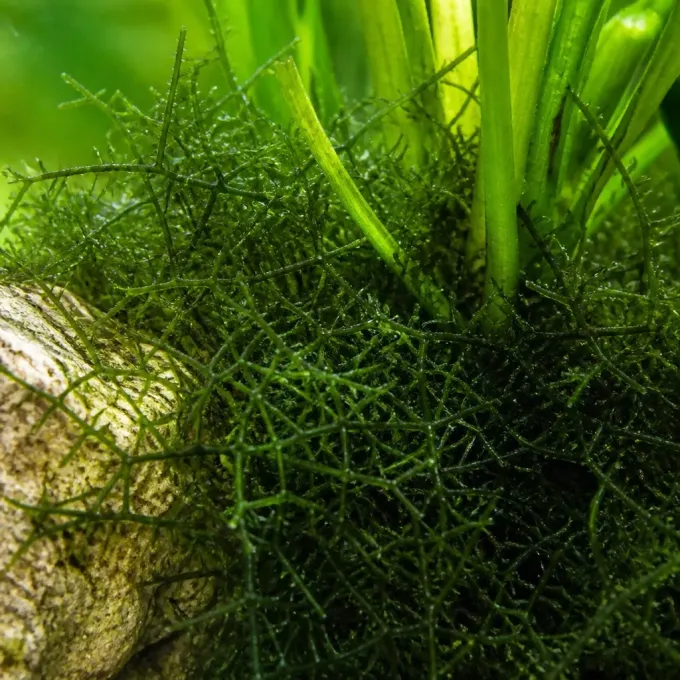
Cladophora laetevirens is a marine green alga belonging to the Cladophoraceae family, known for its distinct branched filamentous structure.
The species requires stable marine salinity levels and consistent, high-intensity sunlight to maintain efficient photosynthetic rates for biomass development.
Solid, stable substrates are necessary for growth, as the alga anchors itself using specialized basal cells to form dense, lush green mats.
Water quality must be monitored closely for nitrogen and phosphorus levels, which are critical for the sustained growth of this filamentous macroalga.
Temperature control is vital, as excessive heat can lead to oxidative stress, bleaching of the thallus, and ultimate crop degradation.
Yield
The productivity of Cladophora laetevirens farms is directly linked to the intensity of photosynthetic activity and the freshness of the circulated water.
During the summer months, with sufficient light and nutrient supply, the growth rates can reach peak industrial levels per unit area.
Regular maintenance, including the precise trimming of the canopy, stimulates regrowth and maintains high biomass productivity throughout the season.
High yields are achievable through intensive aquaculture techniques that maintain constant water flow and optimal environmental parameters.
Final harvest yields are calculated based on fresh biomass weight and subsequent dry matter content after processing and dehydration.
Main diseases and pests
The primary threats to Cladophora laetevirens production include the encroachment of epiphytic organisms that compete for light and nutrients.
Pollution from heavy metals or organic runoff can significantly alter water chemistry, favoring the growth of opportunistic pathogens.
- Benthic crustaceans that feed on algal filaments.
- Fungal pathogens that thrive in warmer water temperatures.
- Siltation of substrates which disrupts attachment and oxygen uptake.
- Predatory gastropods that can clear large patches of biomass.
- Uncontrolled fluctuations in pH leading to metabolic instability.
Biosecurity measures, such as water filtration and monitoring, are essential to mitigate the impact of pests and diseases in industrial setups.
Proactive management of water circulation is the best strategy to prevent the development of anaerobic zones where disease is most prevalent.
Harvesting
Harvesting is typically conducted by mechanically extracting the biomass once it has reached the desired density and maturation stage.
Immediate rinsing of the collected product is mandatory to remove trapped sediment, sand, and other marine debris that can compromise quality.
To ensure high product quality, harvesting is optimized to minimize exposure to direct sunlight and high temperatures to prevent enzymatic degradation.
Post-harvest processing involves rapid dehydration, which is critical for preserving the chemical integrity of the alga for its intended use.
Proper storage conditions, including low humidity and darkness, are required to ensure the long-term stability and quality of the dried biomass.