
Rhizoclonium
Rhizoclonium
Rhizoclonium is a genus of green filamentous algae within the family Cladophoraceae. While not a conventional agricultural crop, it is a significant organism in aquaculture and aquatic management systems.
What the section contains

Rhizoclonium
These algae inhabit a wide range of aquatic environments, including freshwater, brackish water, and damp soil surfaces. They are cosmopolitan in distribution, adapting to various climatic conditions.
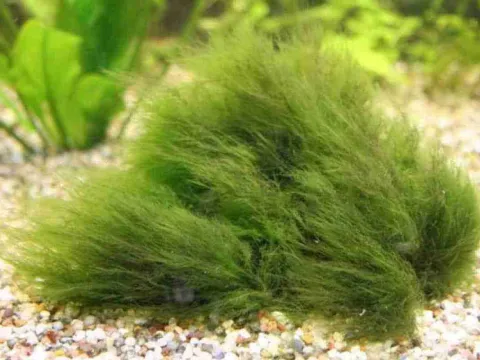
Botanically, Rhizoclonium consists of unbranched filaments formed by a single row of cells. These filaments often intertwine to create thick, felt-like mats that can cover surfaces or float in water.
Growth requirements include sufficient light intensity and an abundance of dissolved nutrients, specifically nitrogen and phosphorus. These algae thrive in conditions where water flow is minimal or absent.
The morphology of the organism allows it to survive in both submerged and semi-terrestrial conditions, making it highly resilient to fluctuations in water levels or periodic drying.
In aquaculture, Rhizoclonium is considered a nuisance species. Its rapid growth can overwhelm production ponds and interfere with standard farming operations and equipment.
The dense mats produced by these algae clog intake screens, pumps, and aerators, which poses a severe risk to the oxygenation levels and overall health of aquatic livestock.
Management strategies include manual harvesting, the introduction of herbivorous fish species, and the careful application of algaecides to reduce biomass accumulation.
Excessive proliferation is often a symptom of nutrient loading; therefore, managing water chemistry and reducing fertilizer runoff is essential for long-term control.
If left unmanaged, the decomposition of large algal masses can lead to localized hypoxia and the release of metabolic waste products, which are toxic to fish and other aquatic organisms.