
Cladophora rupestris
Cladophora rupestris
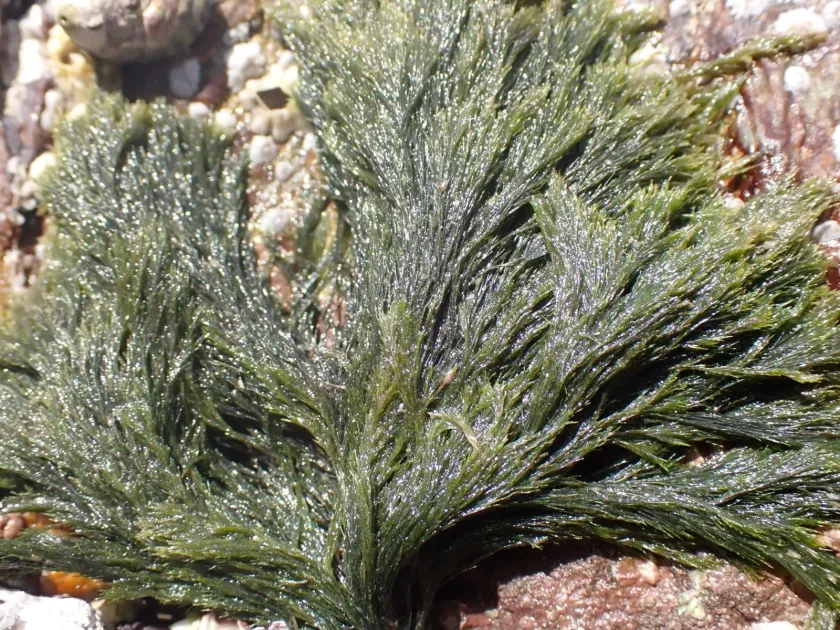
Description
Growing requirements
Cladophora rupestris is a species of green algae belonging to the Cladophoraceae family. It is typically found in temperate marine environments, anchoring itself to rocky substrates in intertidal and subtidal zones.
The cultivation of this alga requires stable salinity levels and consistent movement of water. Proper aeration is essential to facilitate nutrient absorption and support the intensive growth of its filamentous thalli.
Environmentally, it thrives in cool to moderate water temperatures. It is highly adaptable to high-energy environments, making it suitable for coastal areas that experience regular tidal currents and wave exposure.
Cultivation practices involve the deployment of specialized nets or concrete structures. These serve as a base for the algae to establish colonies, ensuring a sustainable harvest of the resulting marine biomass.
The biology of the plant is characterized by rapid asexual reproduction through fragmentation. This allows for efficient propagation across artificial substrates, which is a key advantage for large-scale production.
Yield
The yield of Cladophora rupestris is measured by the total weight of the harvested biomass. The output is optimized through regular monitoring of water quality and sunlight penetration in the cultivated sectors.
Main diseases and pests
The primary threats include the infestation of epiphytic species that compete for light and nutrients. Additionally, pathogenic fungal infections and localized pollution can significantly degrade the quality of the crop.