
Chara
Chara
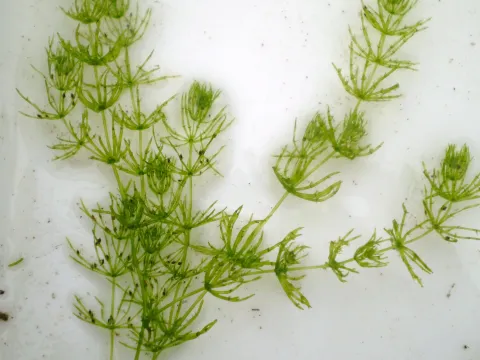
Chara is a genus of complex multicellular green algae belonging to the Characeae family. These organisms, often called stoneworts, are characterized by their macro-scale structure that resembles vascular plants, featuring a stem-like axis and whorls of branches.
What the section contains


Chara
The primary environmental requirement for Chara is high water transparency, as these algae perform photosynthesis at the bottom of the water column. They are strongly associated with calcium-rich environments and prefer alkaline water with stable chemical compositions.
Regarding soil and substrates, Chara requires muddy or sandy bottoms where it attaches through specialized rhizoids. The plant extracts nutrients primarily from the sediment, which makes the quality and depth of the silt layer crucial for the success of these plants.
Climatic requirements involve temperate and sub-tropical zones where water bodies do not dry out completely. While they can tolerate freezing temperatures by entering a dormant phase, they thrive best in consistent lighting conditions provided by clean, undisturbed aquatic environments.
From a utilitarian perspective, Chara is highly valued for its role in biofiltration. It significantly contributes to water clarity by absorbing excess nutrients, preventing algal blooms, and sequestering heavy metals from the aquatic environment.
The major threat to Chara populations is eutrophication, which leads to the overgrowth of phytoplankton and epiphytic algae. This excessive biomass shades the water column, cutting off the light supply essential for the photosynthesis of stoneworts.
Mechanical destruction caused by dredging, industrial boating, or fishing gear remains a persistent threat. Any disturbance in the sediment layer can dislodge these plants, leading to the rapid decay of the colony due to their sensitivity to environmental shifts.
Pathogenic threats include fungal and oomycete infections that target the plant's tissues, especially during periods of suboptimal pH levels. These infections can cause tissue necrosis and the eventual collapse of the plant structure.
Pests, such as certain gastropods and crustacean larvae, may feed on the plant, but they typically only cause significant damage when the plant is already stressed by pollution or lack of sunlight. The primary management strategy is to maintain the purity of the water.
To ensure healthy growth in managed environments, it is essential to monitor nutrient levels, maintain low turbidity, and prevent chemical contamination from nearby agricultural runoffs that could disrupt the delicate balance of the stonewort habitat.