
Tolypella
Tolypella
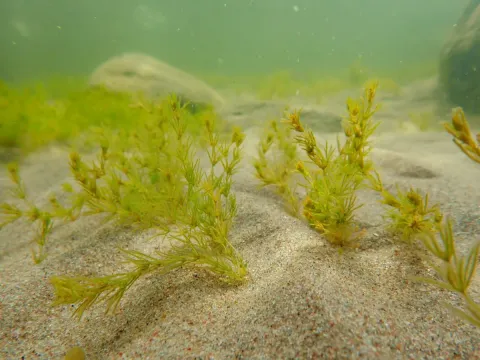
Tolypella is a genus of charophyte green algae that serves as an essential component of aquatic ecosystems. Botanically, these organisms are known for their intricate, whorled structure and are often referred to as stoneworts due to the calcium carbonate deposits on their surfaces.
What the section contains

Tolypella
These algae require specific environmental conditions to thrive, primarily focusing on water clarity and chemical composition. High light penetration is crucial, as they rely heavily on photosynthesis and inhabit benthic zones where they anchor into the sediment.
In terms of soil and substrate, they prefer stable, nutrient-poor, sandy, or silty bottoms. They are sensitive to high organic load, which can trigger competitive growth of other plants or lead to oxygen depletion at the sediment-water interface.
Water chemistry plays a vital role in their distribution. They generally prefer alkaline or neutral environments where dissolved calcium levels are sufficient for the calcification process, which provides the plant with its characteristic physical rigidity.
The global distribution of Tolypella spans diverse climates, allowing it to adapt to various temperate and tropical aquatic settings. Their management in semi-controlled environments focuses on maintaining water stability and preventing the influx of pollutants that disrupt their fragile life cycle.
Eutrophication is the primary threat to Tolypella populations, as increased nutrient levels lead to phytoplankton blooms that block essential sunlight.
Sedimentation and siltation caused by agricultural runoff can smother colonies, preventing them from accessing the substrate and limiting gas exchange.
Chemical pollutants, including herbicides and synthetic fertilizers leaching from nearby farmland, exert high toxicity on these sensitive charophytes.
Physical disturbances, such as dredging or intensive aquaculture operations, destroy the physical structure of the plant and prevent successful reproduction.
Invasive species competition can severely restrict the habitat availability for Tolypella, leading to a decline in biodiversity within the affected aquatic system.