
Chara zeylanica
Chara zeylanica
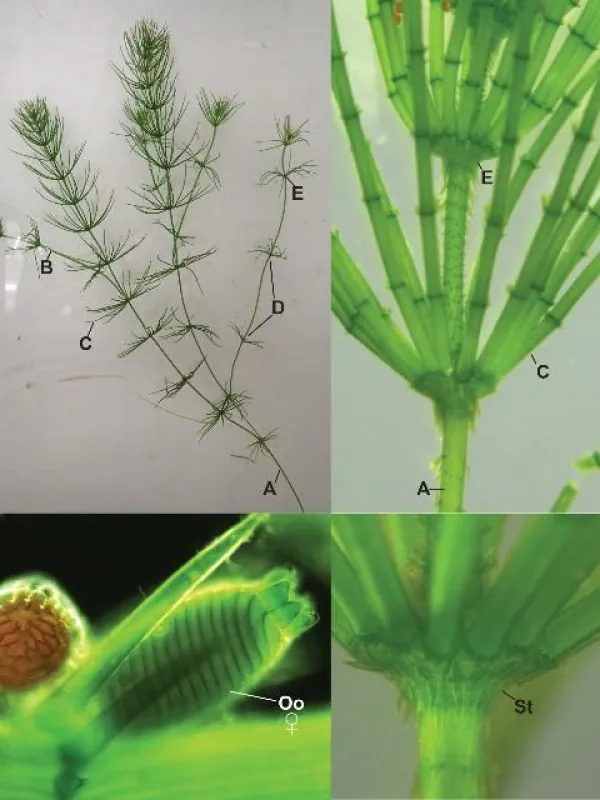
Description
Sowing dates
Chara zeylanica is not a typical soil-based crop, so traditional sowing methods do not apply. Propagation in controlled environments occurs vegetatively via fragmentation or through oospores that persist in sediment.
The optimal time for establishing plantations in artificial ponds is late spring when water temperatures consistently exceed 18 degrees Celsius. Adequate solar exposure is essential for the rapid rooting of segments.
Industrial cultivation involves transplanting thallus segments into prepared basins with silty substrates. Planting material must be pre-cleaned of epiphytic algae to prevent growth suppression.
Irrigation is unnecessary, but maintaining a constant water depth of 30–60 centimeters is critical for light penetration. Significant water level fluctuations can cause the thallus to dry out and perish.
In closed-loop systems, year-round cultivation is possible provided there is intense artificial lighting and a constant flow of fresh water enriched with essential minerals.
Growing requirements
Belonging to the Characeae family, Chara zeylanica is a macroalga that physically resembles higher plants. It requires clean, slightly alkaline water with a pH range of 7.5 to 8.5 for optimal growth.
A fundamental requirement is a bottom substrate rich in organic matter and calcium, which the plant utilizes to build its cell walls and structural integrity. Excess phosphates must be avoided as they trigger harmful algal blooms.
Illumination should be maintained for at least 12 hours daily. In turbid or contaminated water, this species is quickly displaced by more robust, invasive algae species.
The ideal temperature range is 20 to 28 degrees Celsius. Sharp temperature fluctuations can induce premature sporulation, leading to the rapid decay of the primary biomass.
This species possesses excellent biofiltration capabilities, actively absorbing nitrogenous compounds from water, making it a sustainable candidate for fishery wastewater treatment.
Yield
Yield for Chara zeylanica is measured by the volume of dry biomass produced per square meter of water surface. Under optimal conditions, the biomass can double every two to three weeks.
Aeration and carbon dioxide supplementation in culturing basins significantly enhance growth rates, increasing total production by 30–40% compared to natural environments.
Harvesting is performed mechanically using customized nets or drags designed for shallow water. Care must be taken to avoid damaging the rhizoid structures to facilitate rapid regeneration.
The collected raw material is dried at low temperatures to preserve bioactive compounds. The final product is widely used as a feed supplement or high-quality organic soil enhancer.
Overall output is highly dependent on consistent maintenance of water quality and the frequency of monitoring nutrient availability within the cultivation tanks.
Main diseases and pests
Filamentous algae represent the primary threat to the crop, as they compete for light and nutrients. Overgrowth can easily smother the Chara population, leading to total harvest failure.
Pathogenic fungi, particularly chytridiomycetes, can infect oospores, reducing germination rates. Strict disinfection protocols for all tools are required between harvest cycles.
Certain species of freshwater snails are common pests that feed on young, succulent shoots. Controlling snail populations through biological management is a standard agricultural practice.
Heavy metal accumulation in the thallus can render the biomass toxic. Therefore, constant monitoring of water quality is a mandatory safety measure for industrial production.
Poor lighting conditions lead to etiolated, brittle stems that break easily during harvest, resulting in a significant reduction in total recoverable biomass.
Harvesting
Harvesting should occur at the phase of peak thallus density, just before massive oospore formation, as this ensures the highest nutritional value in the gathered biomass.
The process includes careful extraction from the water, washing to remove silt and debris, and sorting. Automated cleaning lines can significantly streamline these post-harvest activities.
After moisture removal, the material is dried in shaded, well-ventilated areas. Avoiding direct sunlight is crucial to preventing the degradation of sensitive organic molecules.
The dried biomass can be stored long-term in granulated or shredded forms under low-humidity conditions, making it an excellent component for hydroponic growing media.
Leaving the root systems intact after harvesting promotes rapid regrowth, allowing for up to four cycles of biomass production within a single favorable growing season.