
Rock soapwort
Saponaria ocymoides L.
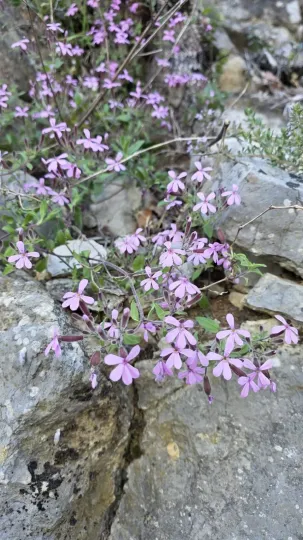
Description
Sowing dates
Sowing Rock soapwort seeds outdoors is best done in mid-spring once the soil has warmed up. The optimal sowing window is typically between April and May, after the danger of frost has passed.
For early flowering, many gardeners prefer to start seeds indoors. Sowing in containers during March, using a lightweight potting mix and keeping it consistently moist, promotes successful germination.
When sowing, do not bury the seeds too deeply; a light dusting of sand or substrate is sufficient. Germination usually occurs within two to three weeks at temperatures around 18–20 degrees Celsius.
Seedlings should be pricked out after developing their first pair of true leaves, taking care to protect the delicate root system. Transplanting to the permanent site is done with 30–40 cm spacing between plants.
Propagation can also be achieved through vegetative means: using stem cuttings in summer or dividing mature clumps in early autumn. Dividing established plants allows for faster ground coverage in the garden.
Growing requirements
Rock soapwort, a member of the Caryophyllaceae family, is a herbaceous perennial that thrives in sunny, well-lit locations. In shady areas, the plant becomes leggy, loses its dense mat-like habit, and blooms poorly.
The plant has modest soil requirements, preferring light, well-draining, and sandy soils. It is critical to prevent waterlogging around the root zone, as excessive moisture often leads to root rot.
This species is highly drought-tolerant, making it an excellent choice for rock gardens, retaining walls, and alpine beds. Alkaline or calcareous soils are generally preferred for optimal growth and flowering.
In regions with harsh winters, Rock soapwort benefits from a light covering of spruce branches or leaves, though it is generally winter-hardy in temperate zones. Spring maintenance involves trimming damaged stems.
The primary use of Saponaria ocymoides is ornamental. It is frequently employed as a groundcover, producing vibrant pink-to-lilac carpets of flowers from June through August.
Main diseases and pests
Fungal diseases, which develop primarily in conditions of high humidity and poor air circulation, pose the greatest threat. Root rot, caused by overwatering or poorly draining soil, is the most common issue.
Powdery mildew can occasionally appear on the leaves, manifesting as a whitish, dusty layer. Management includes removing affected foliage and applying sulfur-based fungicides to prevent further spread.
Pests such as spider mites can infest soapwort plantings, especially during hot and dry spells. These mites suck sap from the foliage, causing leaves to turn yellow and eventually wither if left untreated.
Aphids may also attack young shoots and flower buds, inhibiting overall plant development. Maintaining a clean garden and removing nearby weeds helps reduce the attractiveness of the site to these pests.
Adhering to proper cultivation practices, specifically careful watering and selecting a well-aerated planting site, minimizes the risk of pathogen damage and ensures a healthy, vigorous display.