
Saponaria calabrica
Saponaria calabrica Guss.
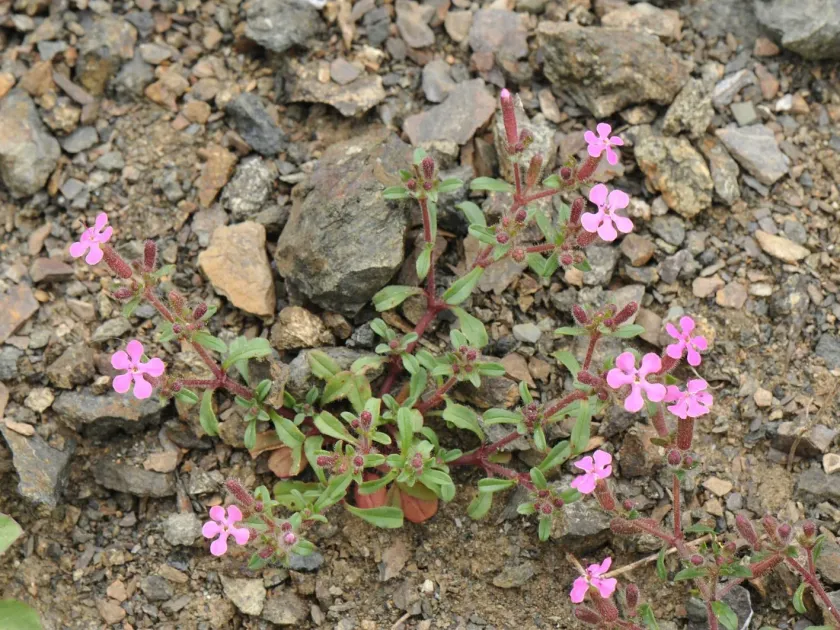
Description
Sowing dates
Saponaria calabrica is typically propagated by seeds, which should be sown in early spring, once the danger of frost has passed. Direct sowing in a sunny, prepared bed is common for this species, as it establishes quickly in warm soil.
Because the seeds require light for germination, they should be surface-sown and only lightly pressed into the soil. Covering them with a thin layer of sand or fine vermiculite helps maintain contact without burying them too deeply.
For earlier blooms, gardeners can start seeds indoors in late winter. Using seed trays with a well-draining, sterile mix, the seeds should be kept at a steady temperature of around 20 degrees Celsius until germination occurs.
Seedlings are ready for transplanting once they reach the two-leaf stage. Carefully hardening them off over a period of seven to ten days is essential before placing them into their permanent garden location to prevent transplant shock.
Spacing should be managed to ensure adequate ventilation, typically 15 to 20 centimeters between plants. This density prevents the foliage from staying wet for too long, which is crucial for overall plant health.
Growing requirements
This species, a member of the Caryophyllaceae family, thrives in full sun. It requires a location where it can receive at least six to eight hours of direct sunlight daily to produce its characteristic profusion of flowers.
The ideal soil for Saponaria calabrica is light, gritty, and well-drained. It is highly adaptable to poor soils, including rocky or sandy ground, making it an excellent candidate for rock gardens and borders where moisture regulation is key.
While the plant exhibits significant drought tolerance once established, it benefits from moderate watering during prolonged dry spells. Overwatering is more detrimental than under-watering, so ensure the soil dries slightly between irrigations.
The plant prefers a neutral to slightly alkaline pH. If the native soil is too acidic, amending it with a small amount of garden lime can help create an environment that encourages vigorous growth.
In terms of climate, it performs best in mild, temperate regions. While it is often treated as an annual in colder climates, it may act as a short-lived perennial in warmer, Mediterranean-like environments.
Main diseases and pests
Root rot is the primary physiological threat to the plant, usually caused by stagnant water in heavy or poorly drained soil. Improving soil aeration through the addition of gravel or coarse sand is the best preventive measure.
Powdery mildew is a common fungal issue that arises during periods of high humidity combined with poor air circulation. Symptoms include white, dusty patches on the foliage, which can eventually lead to leaf drop.
Insect pests such as aphids and spider mites can attack the plants, particularly during hot, dry periods. These pests feed on plant sap, causing stunted growth and yellowing of the leaves if left untreated.
Integrated pest management, involving the use of horticultural oils or insecticidal soaps, is usually sufficient to control infestations. Fungicides may be necessary only in extreme cases of mildew outbreaks.
Keeping the planting area free of debris and weeds prevents the buildup of pathogens and reduces competition for resources, allowing the Saponaria to maintain its aesthetic appeal throughout the season.