
Snow pearlwort
Sagina nivalis
Description
Sowing dates
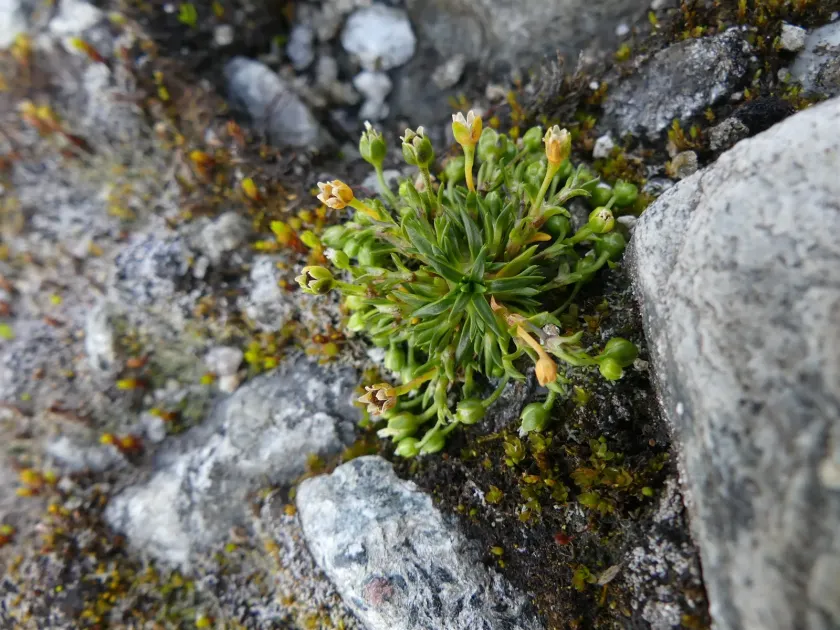
Snow pearlwort (Sagina nivalis) is a perennial herbaceous plant from the Caryophyllaceae family. Known for its mat-forming growth habit, it is often utilized in alpine gardens and as a delicate ground cover in cool climate regions.
Propagation is typically achieved through seeds, which should be sown on the surface of a moist, well-drained substrate. Given their small size, the seeds should not be buried deeply but rather lightly pressed into the growing medium.
Cold stratification is highly recommended for optimal germination rates. Sowing in late autumn or early spring allows seeds to undergo the natural cycle necessary for breaking dormancy effectively.
Seedlings require consistent moisture and moderate temperatures, ideally around 18 degrees Celsius. Protection from direct sunlight during the early stages of development is crucial to prevent the drying out of fragile roots.
Once seedlings have developed several true leaves, they can be hardened off and transplanted into their permanent locations. Proper spacing is essential to allow for the gradual spreading characteristic of this species.
Growing requirements
This species thrives in cool, moist environments and requires a location with partial shade to mimic its natural alpine habitat. Prolonged exposure to intense, hot sun can lead to leaf scorching and overall plant stress.
The ideal soil for Sagina nivalis is sandy, gritty, and well-drained. Excellent drainage is non-negotiable, as the plant is highly susceptible to root and crown rot when subjected to waterlogged conditions.
Regarding moisture, the soil should be kept consistently damp but never saturated. In drier periods, supplemental irrigation or misting may be necessary to maintain the humidity levels preferred by the plant.
Fertilization should be handled with caution. A light, balanced fertilizer applied sparingly during the early spring growth phase is usually sufficient; over-fertilizing can lead to weak, elongated growth.
Maintenance involves ensuring the planting area is free of aggressive weeds that might compete for nutrients and light. Minimal pruning may be required to keep the mat dense and tidy throughout the growing season.
Main diseases and pests
Fungal diseases, particularly those affecting the roots and collar, are the primary threat to the health of Sagina nivalis. These issues are almost always linked to poor soil drainage or inadequate airflow around the foliage.
Garden pests, including slugs and snails, are particularly fond of the succulent foliage of this pearlwort. Protecting young plants with physical barriers or organic deterrents is common practice in successful cultivation.
Poor ventilation within dense plantings significantly increases the risk of infection. Regular inspection of the plant mat is essential to detect early signs of rotting or fungal growth before they spread.
In cases of fungal infection, damaged parts of the plant must be removed promptly. Fungicidal treatments should only be used as a last resort and must be selected carefully to avoid harming the plant's delicate root system.
Overall plant health is largely dependent on preventive measures: proper site selection, strict water management, and the avoidance of conditions that promote the stagnation of air and water.