
Soapwort
Saponaria officinalis L.
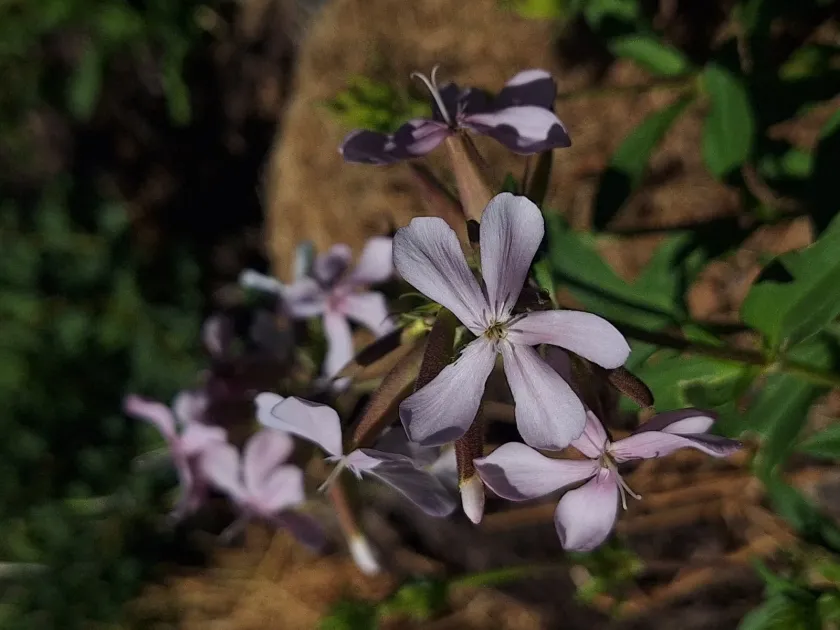
Description
Sowing dates
The sowing of Saponaria officinalis is typically performed in the spring, during April or May, once the soil has sufficiently warmed up. Autumn sowing is also an option, which can assist in uniform germination after the seeds have undergone natural winter stratification.
Seeds should be sown in open soil at a depth of 1–2 centimeters, maintaining a row spacing of approximately 40–50 centimeters. For commercial production, uniform seeding is crucial to prevent overcrowding, which can reduce the concentration of active saponins in the roots.
Seedlings usually emerge within 14–20 days. During the early stages, the plants develop relatively slowly, so weed management is essential to ensure they have enough resources to establish a strong root system.
Vegetative propagation via division of rhizomes is often preferred for rapid crop establishment. Divisions are planted in early spring or late summer, ensuring each plant has enough space for vigorous growth.
The density of planting depends on the intended end-use of the crop, with a standard density of 8–10 plants per square meter being common for medicinal raw material production.
Growing requirements
Soapwort belongs to the Caryophyllaceae family and is known for its hardiness. It is highly adaptable to various environmental conditions, though it performs best in open, sunny locations with well-drained soil.
The plant is not strictly demanding regarding soil type; however, it thrives best in fertile loamy or sandy loam soils. Proper drainage is vital, as waterlogged conditions can lead to root decay, which severely impacts the quality of the harvested product.
A neutral soil pH is ideal for optimal growth. While the plant shows decent drought tolerance once established, consistent moisture during the growing season is necessary to encourage healthy root development.
In natural habitats, it is often found near riverbanks and on the edges of forests, indicating a preference for stable moisture conditions. On farms, maintaining clean inter-row spaces is necessary for at least the first two years.
- Excellent cold hardiness
- Preference for well-drained, fertile soil
- Ability to thrive in various light conditions
- High growth potential via creeping rhizomes
Yield
The yield of soapwort is measured by the weight of the dried roots, which contain the valuable saponin content. Harvesting is typically conducted in the third or fourth year of vegetation to ensure the highest yield of active ingredients.
Commercial plantations can achieve yields ranging from 10 to 20 centners of dry root per hectare, depending on soil fertility and management practices. Regular organic fertilization can significantly boost productivity.
The crop's productivity is closely linked to soil quality and effective weed control. Keeping the fields free of competition allows the plant to focus all its energy on developing a substantial root system.
After harvesting, it is recommended to leave the land fallow or use cover crops to restore soil fertility. Replanting soapwort on the same site should be avoided for at least 5–6 years.
With correct agrotechnical management, this crop provides consistent and high-quality raw material suitable for pharmaceutical and cosmetic industries.
Main diseases and pests
Saponaria officinalis has high natural resistance to many pests due to the high concentration of saponins in its tissues, which act as a natural deterrent against many insects.
However, under high humidity conditions, the plants may be susceptible to powdery mildew. Preventing this requires maintaining proper spacing and avoiding overhead irrigation that leaves leaves wet for extended periods.
Root rot can become a threat if the soil is poorly drained or frequently waterlogged. Choosing an appropriate site with excellent drainage is the primary method of preventing these issues.
While some leaf-eating larvae may appear, they rarely cause significant economic damage to the plantations. Regular monitoring during the summer months is sufficient for early detection.
The use of chemical pesticides is discouraged due to the stringent requirements for purity in medicinal raw materials, making preventive cultural practices the most important management tool.
Harvesting
Harvesting soapwort roots is best performed in the autumn after the growing season, when the above-ground parts begin to wither. During this phase, the concentration of saponins in the roots is at its maximum.
The roots are harvested using mechanical equipment, then carefully cleaned of soil and debris. Thorough washing in cold, running water is required to ensure the purity of the raw material.
The cleaned roots are cut into manageable pieces and dried. Drying is typically done in industrial dryers at temperatures not exceeding 60 degrees Celsius to prevent the degradation of active compounds.
Quality is confirmed by the texture and brittleness of the dried product. A properly dried root should break rather than bend, indicating that the moisture content is low enough for safe storage.
The final product should be stored in dry, well-ventilated areas, protected from direct sunlight to maintain the integrity of the bioactive components over time.