
Snow-in-summer
Cerastium candidissimum
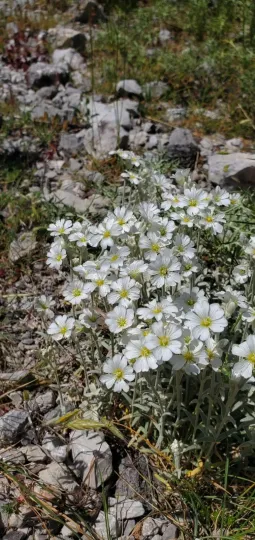
Description
Sowing dates
Cerastium candidissimum is a resilient perennial belonging to the Caryophyllaceae family. It is typically propagated through seed sowing or by dividing mature clumps in the late summer.
Seeds are best started indoors during early spring using a light, well-draining soil mix. They require exposure to light for germination and should be sown on the surface of the soil rather than deeply buried.
Transplanting into the garden is recommended once all frost risks have passed. The plant establishes a vigorous root system, making it suitable for creating permanent living carpets in landscaping projects.
When propagating via division, the mother plant should be lifted carefully to ensure minimal damage to the roots. Dividing in late August gives the plant enough time to recover and settle before the onset of winter dormancy.
Due to its high adaptability, this species remains a popular choice for both professional landscaping and amateur rock gardening. It thrives with basic horticultural care and minimal intervention.
Growing requirements
The plant originates from rocky, mountainous environments, necessitating full sun exposure for optimal growth. High light intensity is crucial for maintaining the plant's signature silvery foliage.
Soil requirements focus on drainage. The species cannot tolerate heavy, waterlogged soils, making sandy, gravelly, or rocky substrates the ideal medium for cultivation. Poor soil quality is often preferred over rich, moist earth.
Watering should be managed carefully, as the plant is highly drought-tolerant once established. Overwatering is the most common cause of failure in cultivating this species, as it often leads to root rot.
The hardiness of this plant makes it an excellent candidate for colder climates, as it withstands freezing temperatures well. Minimal fertilization is required, as excessive nitrogen can cause the plant to grow too rapidly and lose its characteristic compact form.
Maintenance includes light pruning after the flowering season to encourage new growth and keep the mound compact. This practice also helps in managing the overall shape and health of the plant.
Main diseases and pests
Fungal issues such as root rot are the primary threat to the plant, usually resulting from poor soil drainage or excessive humidity. Ensuring the planting site is elevated or sloped can significantly reduce this risk.
Powdery mildew may occur in stagnant, humid air conditions. Providing good airflow around the plants and avoiding overhead watering are effective preventive measures for managing this fungal problem.
Pests like aphids and spider mites can occasionally affect the plant during hot, dry spells. Regular monitoring and the use of insecticidal soaps are typically sufficient to control these infestations.
Slugs and snails may attack tender growth during wet weather. Utilizing physical barriers such as crushed shells or grit around the base of the plant can deter these pests effectively.
By providing the correct sun-drenched and well-drained conditions, most threats can be naturally mitigated. The plant remains highly robust and disease-resistant when its specific habitat requirements are met.