
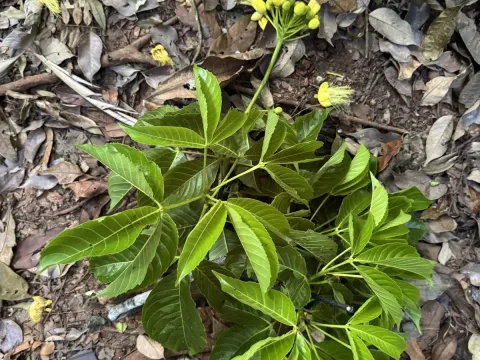
Caryocar
Caryocar
Caryocar is a genus of tropical trees within the Caryocaraceae family. The most economically significant species, often referred to as pequi, is native to the Cerrado and tropical forests of South America, thriving in warm and humid environments.
What the section contains


Caryocar
Successful cultivation requires deep, well-drained acidic soils. The tree is intolerant of waterlogged conditions, making appropriate site selection with excellent drainage a primary necessity for plantation health.
The climate must be strictly tropical, with temperatures ranging between 24 and 28 degrees Celsius. Caryocar requires consistent heat and shelter from strong, cold winds to reach its full development potential.
Agricultural management involves routine applications of organic fertilizers to maintain soil fertility. Strategic pruning is essential to improve airflow through the canopy, which helps in preventing fungal issues and maximizes fruit exposure to sunlight.
Although the trees possess robust root systems, supplementary irrigation is recommended during intense dry seasons to ensure consistent fruit development and tree longevity in commercial orchards.
The fruits of the Caryocar are valued for their fleshy, nutrient-rich pulp and their oily seeds. A single mature tree can produce a substantial yield, often exceeding 50 to 100 kilograms of fruit per season.
The pulp is widely used in local cuisine and food processing, while the seeds provide high-quality oil used extensively in cosmetics, medicine, and as a healthy food additive.
Beyond food products, the wood of the Caryocar tree is highly prized for its durability and resistance to decay, making it a valuable secondary product for the timber and furniture industries.
Harvesting requires specialized handling because the inner seed structure is covered with small, sharp spines, which can cause injury if not processed with proper protective equipment.
The economic value of Caryocar continues to rise, as its unique fatty acid profile makes it a sought-after ingredient for international natural cosmetics brands, fueling global interest in sustainable harvest.
The primary threats to Caryocar plantations include fungal diseases that flourish in dense, humid conditions. These pathogens can compromise foliage and fruit quality if not managed correctly.
Insect pests, including various tropical borers and fruit-feeding larvae, represent a consistent challenge that necessitates regular monitoring and the use of integrated pest management practices.
Sanitation practices, such as the removal of deadwood and infected limbs, are critical to limiting the spread of diseases within the orchard and maintaining the overall health of the tree population.
Environmental factors, such as the decline of native pollinator populations (including bats and specific insects), can lead to reduced fruit set, threatening the overall productivity of the crop.
Soil degradation is another concern; therefore, maintaining soil structure and preventing erosion through cover cropping is essential for the sustainable cultivation of these long-lived tropical trees.