
Caryocar glabrum
Caryocar glabrum
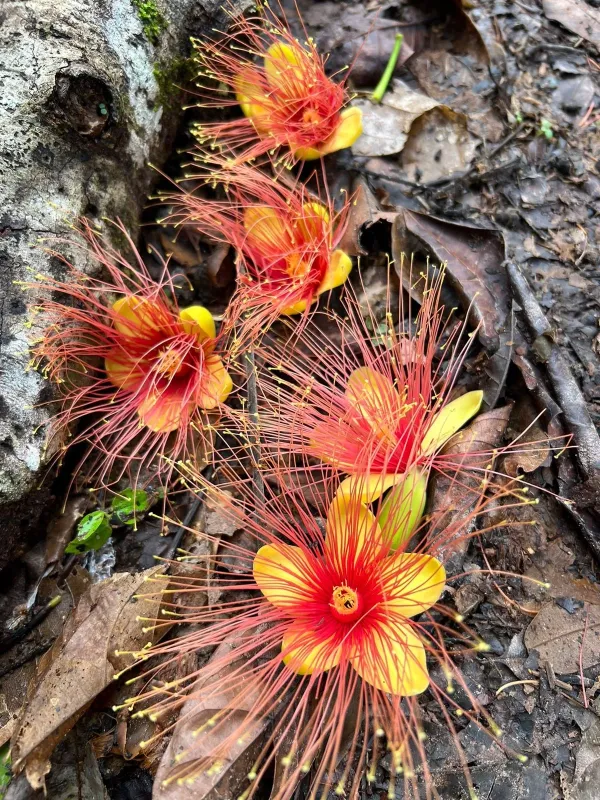
Description
Growing requirements
Caryocar glabrum is a significant tropical tree species belonging to the Caryocaraceae family. Native to the dense rainforests of South America, this tree is a key component of its local ecosystem, adapted to compete for light and nutrients within the forest canopy.
The cultivation of this species requires specific tropical conditions, characterized by high year-round temperatures and consistent rainfall patterns. It thrives in regions where the climate remains stable, as the tree lacks mechanisms to withstand prolonged droughts or frost, which are detrimental to its growth.
Soil requirements for Caryocar glabrum include well-drained, acidic substrates. The tree is highly susceptible to root decay if water stagnation occurs, necessitating the selection of planting sites with excellent drainage properties, often located on slightly elevated terrain within its natural range.
Agrotechnical management involves careful soil preparation and the implementation of mulching techniques. These methods mimic the natural forest environment, preserving soil moisture and providing a steady source of nutrients through the decomposition of organic matter around the root zone.
Establishing young plantations requires shading strategies to protect saplings from intense solar radiation. As the trees reach maturity, they become more resilient to full light conditions, but maintaining a balanced microclimate remains essential for long-term health and consistent fruit production.
Yield
The economic utility of Caryocar glabrum lies primarily in its fruit and seed products. The seeds contain high-quality lipids that are highly valued in both food and cosmetic sectors due to their unique fatty acid profile, which supports excellent moisturizing properties in dermatological formulations.
Beyond its culinary potential, the wood of the tree is recognized for its durability and resistance to moisture and biological rot. This makes it a preferred material for specific carpentry applications, particularly for structures exposed to humid environments where other woods might degrade rapidly.
Harvesting strategies are crucial for maintaining fruit quality. The process typically involves manual gathering at specific stages of maturity, followed by immediate cleaning and primary processing to prevent the oxidation of the delicate fats contained within the seeds.
The industrial extraction process for oil involves standardized pressing techniques that ensure high purity. As global demand for natural, sustainably sourced oils increases, Caryocar glabrum represents an untapped potential for agricultural development in its native regions.
Future research is focused on optimizing yield through selective breeding and improved orchard management systems. By increasing the efficiency of production, the cultivation of this tree can provide significant economic benefits while supporting forest conservation efforts.