
Caryocar nuciferum
Caryocar nuciferum
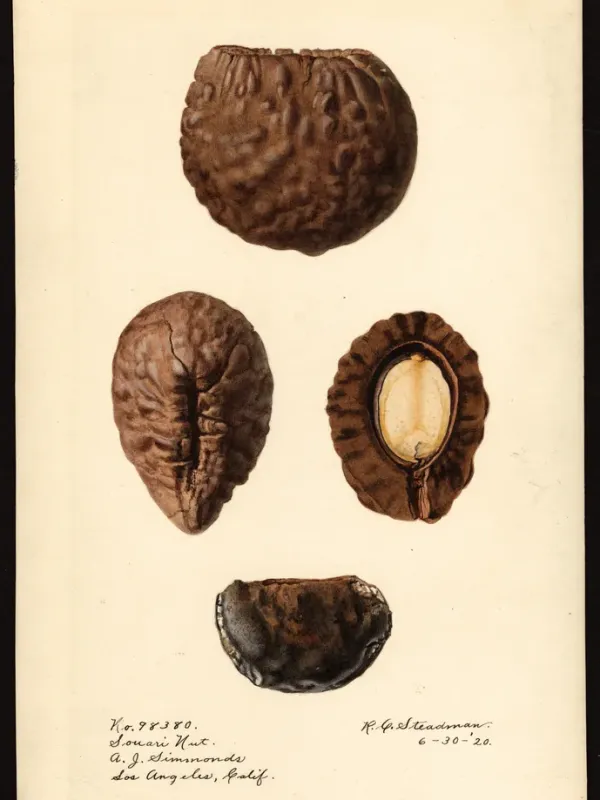
Description
Growing requirements
Caryocar nuciferum, commonly known as the Pekia or Souari nut, is a majestic tree belonging to the Caryocaraceae family. Native to the tropical forests of South America, it thrives in environments characterized by consistently high temperatures and significant annual rainfall.
The tree requires deep, well-drained soils to accommodate its extensive root system. It is particularly sensitive to waterlogging, which can rapidly lead to root rot and tree decline, making soil site selection a primary concern for any agricultural project.
Sunlight exposure is crucial for the development of both foliage and fruit. While young saplings may benefit from partial shade, mature trees require full canopy exposure to maintain optimal physiological processes and maximize nut yield.
Maintaining high levels of soil organic matter is essential for successful cultivation. Regular applications of mulch and compost help replicate the nutrient-dense forest floor conditions that the species has adapted to over millennia.
Climate stability is a defining factor; the plant does not tolerate frost or cold stress. Successful cultivation is currently restricted to humid tropical belts, where the thermal environment remains relatively constant throughout the year.
Yield
The primary economic output of Caryocar nuciferum is its fruit, which contains high-value kernels rich in lipids and essential vitamins. These nuts are a staple food source and a key ingredient in traditional regional cuisine, valued for their distinct flavor.
Beyond human consumption, the oil extracted from the pulp and seeds is of great interest to the cosmetic and pharmaceutical industries. Its unique fatty acid profile provides excellent skin-soothing and antioxidant properties.
The wood of the Pekia tree is highly regarded for its exceptional hardness and resistance to decay. Historically, it has been used in heavy construction and the manufacturing of high-quality furniture, though modern practices emphasize sustainable harvesting.
Yields are typically realized once the tree reaches maturity, which can take several years of vegetative growth. Once established, individual trees can produce significant annual harvests, provided they are not stressed by environmental factors.
Processing techniques for the fruit have been evolving, focusing on modern extraction methods that ensure the purity and shelf stability of the oil, thus increasing the commodity value for smallholder farmers and large-scale plantations alike.
Main diseases and pests
Fungal pathogens represent the most significant threat to Caryocar nuciferum plantations, especially during the rainy season. High humidity can trigger leaf spot diseases that compromise the photosynthetic capacity of the canopy.
Insect pests, including wood-boring beetles and various sap-sucking insects, can cause damage to the trunk and young stems. Integrated pest management strategies are necessary to keep these populations below the economic injury level.
Soil-borne pathogens present a constant risk if drainage is inadequate. Managing water movement across the plantation through contour planting or drainage ditches is a vital preventive measure against infection.
Competition from fast-growing invasive species can suppress sapling growth in the initial stages. Regular weeding and crown management are essential to ensure the young trees receive sufficient light and nutrients to thrive.
Protecting the tree from physical damage, such as bark wounds, is essential, as these sites can serve as entry points for bacterial and fungal infections that eventually lead to tree mortality.