
Costa Rican Caryocar
Caryocar costaricense
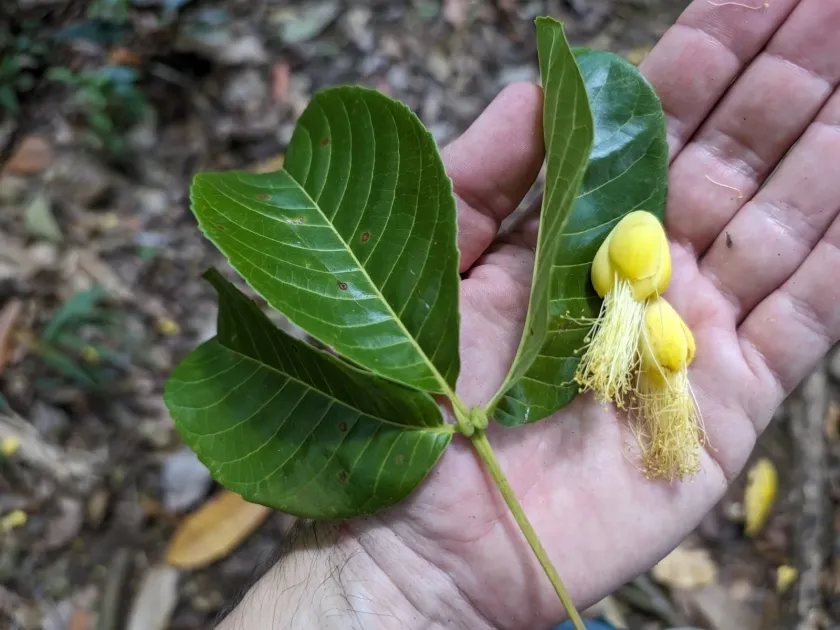
Description
Growing requirements
The Costa Rican Caryocar (Caryocar costaricense) is a prominent tree species belonging to the Caryocaraceae family. Native to the lowland rainforests of Central America, it serves as a critical biological component of its ecosystem.
Cultivation of this species requires a strictly tropical environment with consistently high humidity and warm temperatures throughout the year. It performs best in well-drained, nutrient-rich soils that mimic the forest floor composition.
Botanically, the tree is characterized by its significant height and large, compound leaves. It produces drupe-like fruits containing seeds rich in essential oils and proteins, which are highly valued by local communities.
Agricultural management requires careful shade control for saplings, as they are sensitive to harsh, direct sunlight. As the tree matures, it requires significant space to accommodate its expansive canopy development.
Apart from the fruits, the tree is prized for its high-density wood. Due to its natural resistance to decay, the timber is utilized for durable construction and fine woodworking projects.
Main diseases and pests
The primary threats to Caryocar costaricense include various fungal pathogens that flourish in environments with excessive moisture or poor air circulation within the canopy.
Insect pests, such as leaf-cutter ants, represent a constant challenge for nursery and young plantation stages, necessitating regular monitoring and physical or biological control methods.
Seed-boring beetles can significantly reduce the viability of the harvested crop, making post-harvest drying and storage procedures essential for maintaining product quality.
Root system health is vital; therefore, any soil compaction must be avoided to prevent asphyxiation and the subsequent development of root rot diseases, which can be fatal to the tree.
Integrated pest management strategies focusing on early detection and biological balance are the most effective ways to maintain the health and productivity of the plantations.