
Caryocar amygdaliferum
Caryocar amygdaliferum
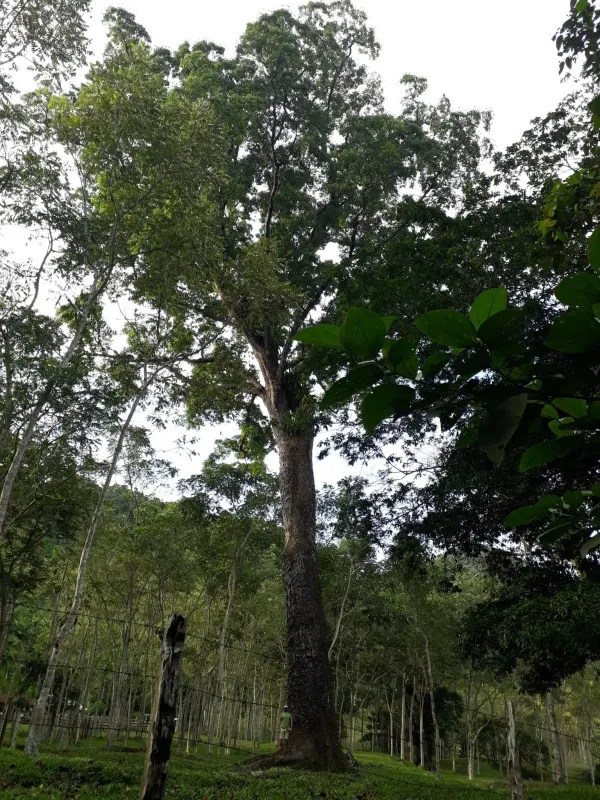
Description
Growing requirements
Caryocar amygdaliferum is a remarkable tropical tree species belonging to the family Caryocaraceae. It is native to the humid rainforest regions of South and Central America, thriving in biodiversity-rich environments.
The tree requires a strictly tropical climate characterized by consistently high temperatures and significant rainfall throughout the year. It does not tolerate frost or prolonged drought periods, which restricts its range to tropical lowlands.
Regarding soil conditions, this species prefers deep, nutrient-rich soils with excellent drainage properties. It is commonly found in areas where water permeability prevents the root system from becoming waterlogged.
Botanically, it is a large tree with a spreading crown. It exhibits a slow to moderate growth rate and requires specific light conditions during its sapling stage, often needing partial shade to develop properly.
Agrotechnical management involves careful selection of planting sites and maintaining appropriate spacing to ensure that each tree has sufficient room to access soil nutrients and sunlight for optimal development.
Yield
The primary economic value of Caryocar amygdaliferum lies in its fruits, which contain seeds rich in high-quality vegetable oils. These seeds are a traditional source of nutrition in their native regions.
The oil extracted from the seeds is highly valued for its emollient properties, making it a desirable ingredient in the cosmetic industry for skin and hair care products.
In addition to oil production, the tree provides high-quality timber. The wood is dense, durable, and resistant to environmental decay, making it suitable for high-end construction and furniture production.
Sustainable harvesting of the fruits allows for a continuous supply of raw materials without destroying the trees, which is a major advantage for local agroforestry practices.
The yield potential is influenced by the genetic quality of the seeds and the presence of natural pollinators, which are essential for successful fruit set and development in a plantation setting.
Main diseases and pests
The most significant threats to the species are fungal pathogens that thrive in warm, humid conditions. These can cause leaf spots and root health issues if the plantation layout lacks proper airflow.
Various insect species, particularly those targeting fruit tissue and developing seeds, can cause economic damage by reducing the marketable portion of the annual harvest.
Deforestation and habitat fragmentation pose the greatest threat to wild populations of the tree. Efforts are focused on ensuring the species is included in reforestation and agroforestry programs.
Competition with aggressive invasive vines and other fast-growing tropical plants can stifle the growth of the trees if routine maintenance and weeding are not performed during the juvenile phase.
Finally, climate-driven changes in seasonal rainfall patterns can disrupt the flowering cycle, directly impacting the volume of fruit production and the long-term viability of small-scale farming projects.