
Twinflower
Linnaea borealis
Description
Growing requirements
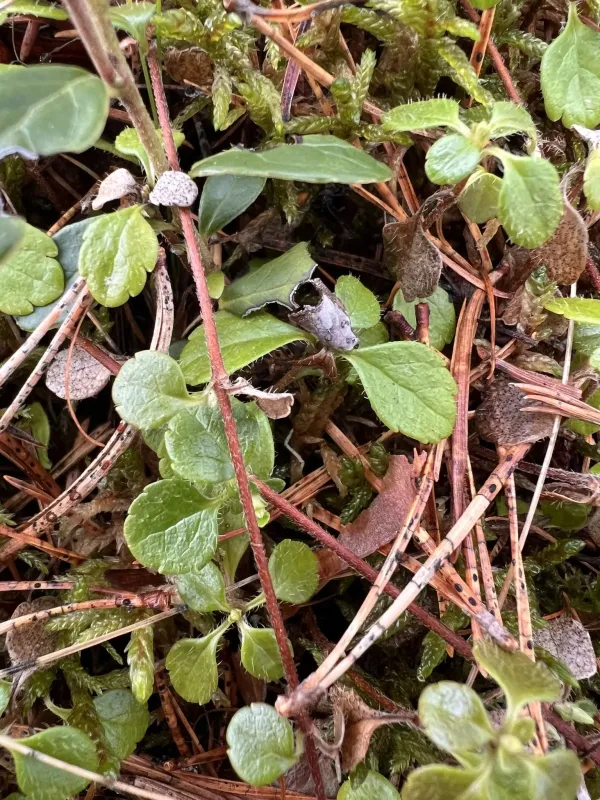
Linnaea borealis, commonly known as twinflower, is a creeping evergreen subshrub belonging to the Caprifoliaceae family. It is a quintessential plant of boreal forests, forming extensive mats across the forest floor.
The cultural requirements for this plant are strictly defined by its native habitat. It requires moist, well-drained, acidic soil rich in organic matter, typically found in coniferous woodland settings with a thick layer of moss.
Temperature and light are critical factors: the plant thrives in cool, shaded conditions and possesses exceptional cold hardiness. Exposure to direct sunlight and high heat leads to rapid desiccation and plant decline.
From a botanical standpoint, the plant is characterized by its small, rounded, evergreen leaves and distinctive pair of fragrant, bell-shaped flowers on a single stalk. Its root system is delicate and depends on mycorrhizal associations.
While not a commercial crop in the traditional agricultural sense, it serves as an important bio-indicator for forest health. Its medicinal potential and unique aesthetic have made it a subject of interest for specialized botanical horticulture.