
Centranthus macrosiphon
Centranthus macrosiphon
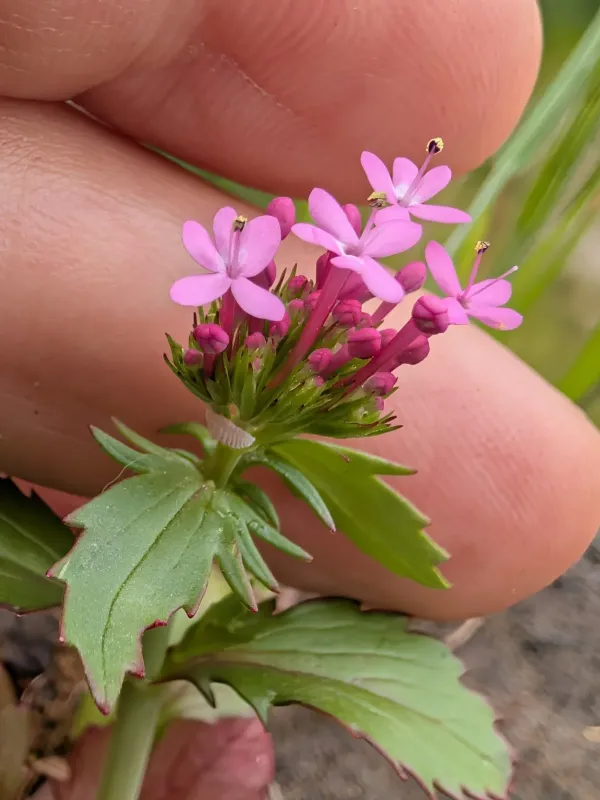
Description
Sowing dates
Centranthus macrosiphon, commonly known as the long-tubed spur valerian, is an annual herbaceous plant belonging to the Caprifoliaceae family. It is native to the Mediterranean basin, favoring rocky and open landscapes.
Sowing in open ground typically occurs in mid-spring once the soil has warmed up. The seeds require consistent warmth to germinate effectively within a period of two weeks.
For greenhouse cultivation, seeds can be started in trays during late winter. This ensures that transplants are ready for the garden as soon as the danger of frost has passed.
The seeds should be covered lightly with soil. Proper spacing is essential, with an optimal distance of 20 to 25 centimeters between plants to allow for healthy development.
Thinning out seedlings is a recommended practice to ensure that the strongest specimens have enough resources to produce the characteristic dense clusters of flowers.
Growing requirements
This species demands a sunny location to thrive. Full sun exposure is critical for the plant to maintain its compact habit and produce abundant flowering spikes.
The soil requirements are modest; however, the plant performs best in well-draining, slightly alkaline to neutral soil. Sandy or rocky substrates are ideal for this species.
Watering should be managed carefully. Centranthus macrosiphon is highly drought-tolerant, meaning it is better to underwater than to keep the soil constantly saturated.
Fertilization is generally unnecessary in fertile soil. On poor sites, a balanced liquid fertilizer applied during the early vegetative phase can boost overall growth.
The plant is well-adapted to hot and dry summer climates, making it a reliable choice for xeriscaping or rock gardens in Mediterranean-like conditions.
Main diseases and pests
The most significant threat to this plant is root rot caused by poor soil drainage. Waterlogged conditions can quickly lead to the decline of the plant's vascular system.
Aphids are the primary insect pests that can infest the inflorescences during the peak growing season. They should be monitored and controlled to prevent stunted flower spikes.
Fungal diseases like powdery mildew may occur in areas with high humidity or poor air circulation. Proper spacing between plants significantly reduces this risk.
Weed competition can be detrimental during the early stages of plant growth. Keeping the planting area clean is essential for the healthy establishment of the crop.
Integrated pest management, including regular inspection and the removal of severely affected plant parts, helps maintain the health of the entire flower bed.