
Narrow-leaved valerian
Centranthus angustifolius
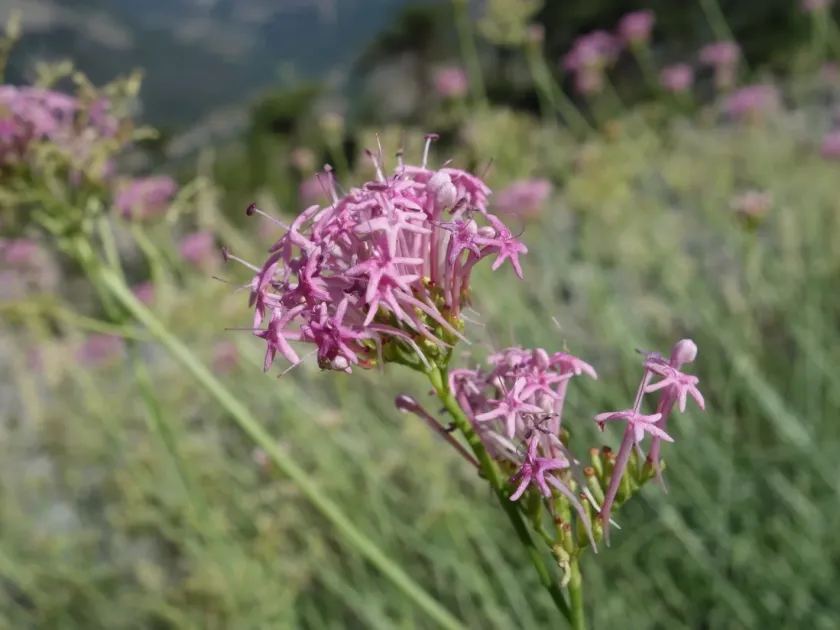
Description
Sowing dates
The sowing of Centranthus angustifolius seeds is best performed in the early spring once the danger of hard frost has passed. Direct seeding into the soil is standard practice for this resilient plant.
For better control over germination, starting seeds in greenhouses during late winter is highly recommended. Seeds should be placed on a well-draining seed-starting mix.
Cover the seeds lightly with vermiculite or fine soil, as they need light to germinate properly. Keep the temperature constant to ensure uniform development of the seedlings.
Once seedlings have reached a height of 5-7 centimeters, they can be hardened off and transplanted to their permanent outdoor location.
Spacing is essential for the health of mature plants. Ensure there is at least 30 centimeters between each plant to allow for adequate airflow and growth expansion.
Growing requirements
Centranthus angustifolius belongs to the Valerianaceae family and is native to the Mediterranean region. It thrives in environments that mimic its natural stony and warm habitat.
The plant requires full sun exposure to maintain its structural integrity and produce abundant flowers. It can tolerate partial shade, but this often leads to leggier growth.
Soil quality should be light, sandy, or rocky, ensuring excellent drainage. It is highly tolerant of poor, alkaline soils and does not require frequent fertilization.
Watering requirements are minimal once the plant is established. It is highly drought-tolerant, and over-watering is the most common cause of failure in cultivation.
Temperature tolerance is generally good, though the plant appreciates mulching in colder regions to protect the root crown during extreme winter conditions.
Main diseases and pests
Root rot is the primary threat to the narrow-leaved valerian, primarily caused by waterlogged soil conditions. Proper drainage is the most effective preventative measure.
Powdery mildew may appear on the foliage if the plants are crowded or if humidity levels remain consistently high for extended periods of time.
Slugs and snails are known to feed on the tender young shoots. Using barriers like crushed eggshells or gravel can effectively discourage these pests.
Aphids might occasionally infest the flower spikes during hot, dry weather, which can be managed with organic insecticidal soaps if necessary.
- Prioritize soil drainage at the planting site.
- Remove dead or damaged plant parts to reduce infection risk.
- Encourage natural predators by keeping the garden environment diverse.