
Centranthus trinervis
Centranthus trinervis
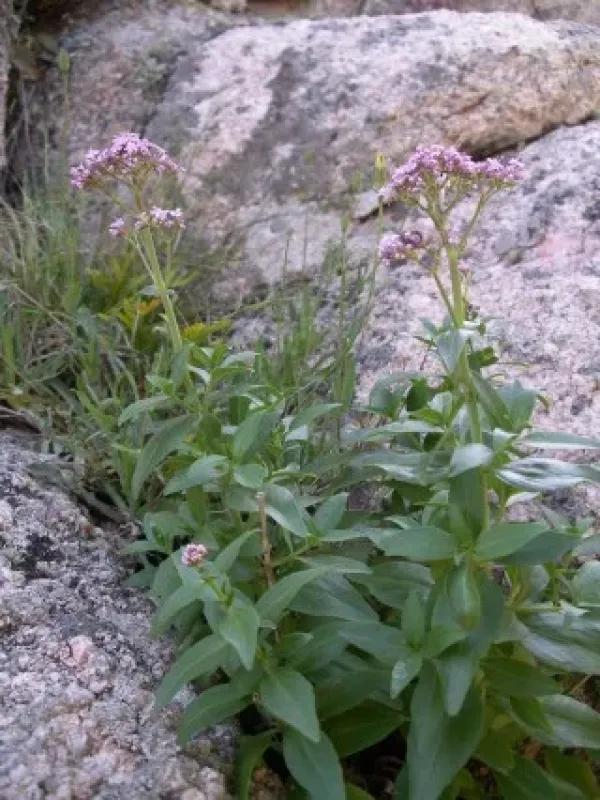
Description
Sowing dates
Sowing of Centranthus trinervis is usually planned for the spring period when the soil has sufficiently warmed up. April or early May is considered the optimal time, allowing the seeds to germinate successfully under stable temperatures.
To speed up germination, seeds may require stratification; however, when sown in open ground, they require careful soil preparation. The planting depth should be minimal, as the seeds need light exposure to activate biological processes.
When using the seedling method, seeds are sown in containers as early as March, providing them with diffused light and regular moisture. Transferring seedlings to the ground is performed only after the threat of spring frosts has passed, which is critical for young plants.
The spacing between plants should be at least 30–40 centimeters to ensure free air circulation. This prevents the development of fungal diseases in the root zone and allows the plant to fully develop its root system.
After sowing, it is recommended to mulch the plot to maintain humidity while avoiding soil compaction. Regular but moderate watering is the key to successful establishment of the crop in the first weeks after germination.
Growing requirements
Centranthus trinervis is endemic to Corsica and prefers specific living conditions that closely mirror its natural environment. It thrives best in well-drained, rocky, or calcareous soils where moisture stagnation is completely excluded.
The crop has high light requirements, so sunny locations should be selected for planting. A lack of light leads to elongated shoots and a significant reduction in the plant's decorative value.
The plant possesses high resistance to dry periods, stemming from its Mediterranean origin. It does not tolerate heavy clay soils prone to waterlogging, as excess moisture quickly leads to root rot.
The optimal soil pH level for this crop ranges from neutral to slightly alkaline. The application of organic fertilizers should be moderate to avoid excessive vegetative growth at the expense of flowering.
In regions with harsh winters, the crop requires additional protection or cultivation as an annual. Ensuring good drainage is a critical factor for winter survival, as dampness is the most frequent cause of plant death.
Harvesting
The commercial use of Centranthus trinervis is primarily linked to decorative gardening and rockeries. Harvesting or cutting inflorescences for dried flowers is possible during peak blooming when the buds are just beginning to open.
Cut stems must be dried in shaded, well-ventilated rooms, hanging them inflorescence-down. This helps preserve the natural color of the flowers and the shape of the plant for floral arrangements.
Seed collection is carried out as they mature, when the capsules begin to take on a characteristic brown tint. It is important to gather them before they naturally shed, which requires daily monitoring of the plant's reproductive organs.
To maintain bush health and stimulate repeat blooming, it is recommended to perform sanitary pruning of spent flower heads. This measure not only improves the plant's appearance but also prevents the culture from becoming exhausted due to premature fruit production.
In professional floriculture, plant care includes regular inspections for damaged parts, which should be removed immediately upon detection. Clearing plant debris in the autumn is essential to prevent the buildup of pathogens on the site.