
Centranthus longiflorus
Centranthus longiflorus
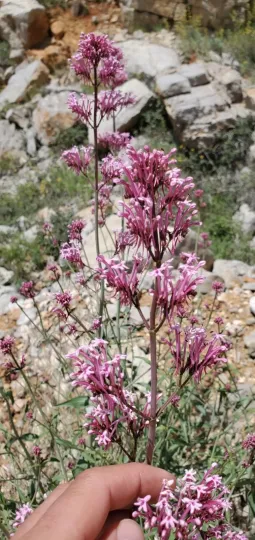
Description
Sowing dates
Sowing seeds of Centranthus longiflorus in open ground is best performed in spring, once the soil has sufficiently warmed, typically from April to early May. To achieve earlier flowering, it is recommended to use the seedling method by starting seeds in containers during February or March.
The seeds of this crop have good germination rates, but they may require stratification for uniform emergence if they have been stored for a long period. The optimal sowing depth should not exceed 0.5 centimeters to ensure the seeds have access to necessary light for growth.
When starting indoors, seedlings usually appear within 14 to 20 days at standard room temperatures. Pricking out should be carried out after the emergence of the first pair of true leaves, transferring individual plants into separate pots to establish a strong root system.
Transplanting to a permanent location should occur after the danger of late frost has passed. Spacing between plants should be maintained at 30 to 40 centimeters to ensure adequate room for growth and ventilation between maturing bushes.
Centranthus is characterized by rapid growth in the first year if regular watering is provided immediately after transplanting. Once established, the culture becomes quite autonomous and adapts well to new conditions.
Growing requirements
Centranthus longiflorus belongs to the Caprifoliaceae family and is a perennial herbaceous plant. In its natural habitat, it typically grows on rocky slopes and limestone outcrops, which dictates its preference for specific soil conditions.
The plant requires intense sunlight for the full development of its inflorescences. In shady areas, the stems become overly elongated, brittle, and flowering intensity drops significantly, so an open, sunny location is critical for the best results.
The plant is not particularly demanding regarding soil types but thrives best in well-drained, moderately fertile substrates with an alkaline pH. Stagnant water is detrimental to the roots, making high-quality drainage essential in heavier clay soils.
A key requirement is moderate moisture during the active vegetative phase, although mature plants exhibit significant drought tolerance. They are capable of enduring prolonged periods without rain due to their strong, thick root system.
In regions with harsh winters, Centranthus may require light protective coverage during the first few years after planting. Despite its resilience, critical soil freezing without snow cover can weaken the plant's structural integrity.
Main diseases and pests
The primary threats to this crop are fungal diseases that develop under conditions of excessive soil moisture. Root rot is the most common issue, manifesting as yellowing and premature wilting of the foliage.
To prevent these pathogens, it is recommended to strictly observe irrigation schedules and ensure efficient air circulation around the plants. It is also important to remove weeds promptly, as they can act as reservoirs for various infections.
Among pests, aphids and spider mites pose the greatest danger, particularly during hot and dry spells. In cases of severe infestation, systematic insecticides approved for use on decorative plants should be employed.
Occasionally, leaf spot diseases of various origins may appear on the foliage. Upon discovering early symptoms, affected parts of the plant should be removed and disposed of immediately to prevent the spread of fungal spores.
Snails and slugs can damage young shoots during the spring, especially in high humidity. Control measures involve manual removal or the application of protective barriers and bait pellets around the base of the bushes.