
Centranthus lecoqii
Centranthus lecoqii
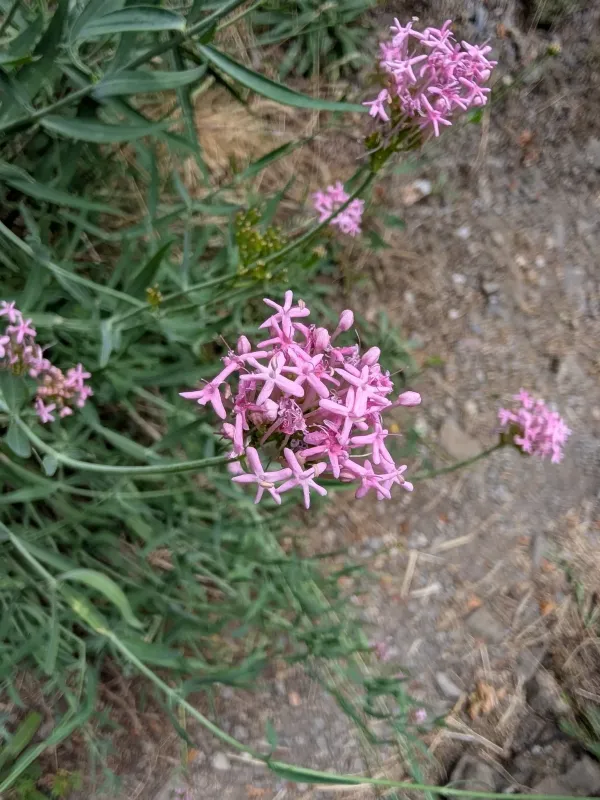
Description
Sowing dates
Sowing of Centranthus lecoqii is best performed in the spring season when soil temperatures reach approximately 10 to 15 degrees Celsius, ensuring optimal conditions for germination and early growth.
Seeds should be sown shallowly or surface-sown, as light is often required for effective germination. The seeds should be lightly covered with a thin layer of fine sand or compost to keep them in place without hindering growth.
When starting seeds in greenhouses, it is important to provide sufficient ventilation to prevent the seedlings from damping off, a common issue in humid, confined spaces during the early development phase.
The spacing between the plants should be maintained at 30 to 40 centimeters to allow for proper air circulation and to prevent the development of fungal diseases as the plants reach their mature size.
Consistency in moisture levels is vital during the first few weeks after sowing. Once the seedlings develop several true leaves, they become significantly more resilient and require less frequent irrigation.
Growing requirements
Centranthus lecoqii is a member of the Caprifoliaceae family. This perennial herb is native to the Mediterranean region, where it naturally thrives in rocky, calcareous, and well-drained habitats.
The plant is highly adapted to sunny and exposed locations, making it an excellent candidate for xeriscaping or rock gardens. It exhibits remarkable drought tolerance once established, requiring minimal maintenance.
Ideal soil conditions for this culture include light, airy, and alkaline-based substrates. It is essential to avoid heavy, clay-rich soils that retain moisture, as they often lead to root rot and premature plant death.
Botanically, it features upright stems and foliage that can vary in color. The inflorescences are dense, terminal clusters of small, fragrant flowers that provide a long-lasting display throughout the summer season.
From an agronomical perspective, this plant is valued for its hardiness and ability to thrive in challenging environments where other herbaceous species would struggle due to moisture stress or poor soil quality.
Main diseases and pests
The primary threats to the health of Centranthus lecoqii are related to excessive humidity and improper drainage. These conditions significantly increase the susceptibility of the plant to crown and root rot pathogens.
Powdery mildew can occasionally affect the foliage during periods of stagnant, humid air, particularly if the plants are crowded. Regular thinning of the stems can help manage this environmental risk.
Insects such as aphids can be problematic during the blooming stage, as they concentrate on the tender buds and inflorescences. Biological controls are generally preferred to preserve the local garden ecosystem.
Slugs and snails can cause damage to the young growth during the wet spring months. Implementing physical barriers or organic bait can help protect the vulnerable seedlings from these garden pests.
Monitoring the plants for early signs of disease is essential. By removing decaying leaves and ensuring the area around the base of the plant remains dry, most common threats can be effectively mitigated.
Harvesting
Harvesting the inflorescences for decorative use should take place during the peak bloom phase. Cutting the stems early in the morning ensures maximum turgidity and extended vase life for the flowers.
If harvesting for medicinal or aromatic extracts, the roots are typically gathered in the late autumn. At this time, the plant has stored maximum nutrients in the root system as it enters winter dormancy.
The roots must be thoroughly cleaned of soil, sliced into pieces, and dried in a well-ventilated, shaded area. Improper drying can lead to mold development, which ruins the quality of the harvested material.
Seed harvesting should be performed in dry, sunny weather. Since the seeds are lightweight and prone to scattering, it is often useful to bag the seed heads just before they fully ripen.
Proper maintenance after harvesting—such as cutting back the spent foliage—stimulates the plant to direct its energy into the root system, which helps ensure a vigorous resurgence in the following growing season.