
Annual valerian
Centranthus calcitrapae
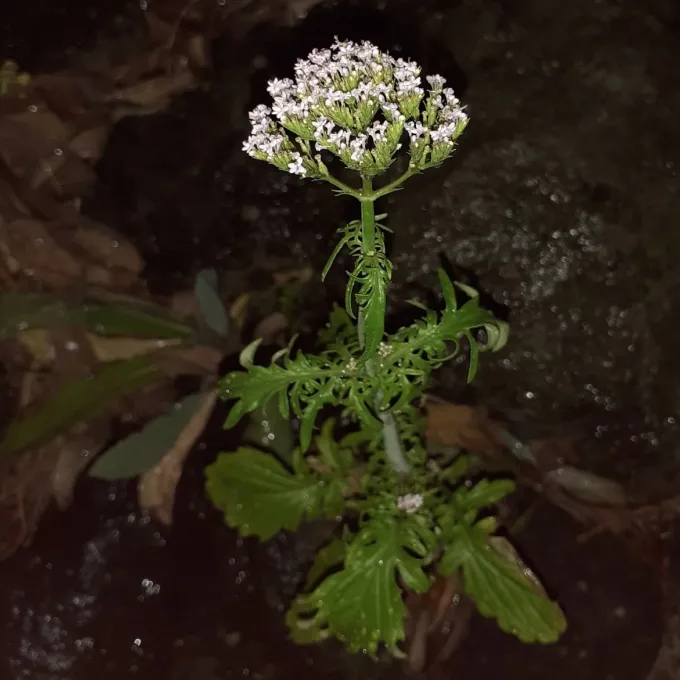
Description
Sowing dates
Centranthus calcitrapae is an annual herbaceous plant typically propagated by seeds. Sowing should be carried out in early spring, once the risk of severe frost has passed and the soil has reached an adequate temperature for germination.
For optimal results, seeds should be sown in prepared beds with good structural composition. Given the small size of the seeds, they should be covered only lightly with soil to ensure that light can reach them, which is often a requirement for uniform germination.
Growing requirements
As a member of the Caprifoliaceae family, this species thrives in environments similar to its native Mediterranean habitat. It is highly adapted to rocky, calcareous, and well-drained soils, making it an excellent choice for areas with challenging substrate conditions.
The plant demands full sun exposure to maintain its growth habit and produce abundant flowers. Providing sufficient spacing between plants is crucial, as it promotes air circulation and reduces the risk of moisture accumulation at the base of the plant.
Water requirements for this crop are relatively low once established. However, consistent moisture during the early seedling stage is necessary to ensure the plant develops a robust root system capable of enduring later periods of drought.
Main diseases and pests
While relatively hardy, the plant is susceptible to fungal issues if grown in humid or poorly drained conditions. Powdery mildew is the most common pathology, which can manifest as white fungal growth on the leaves, especially when the nights are cool and humid.
Insect pests such as aphids or spider mites can occasionally affect the plant during stressful periods of heat. Maintaining plant vigor through proper site selection and avoiding excessive nitrogen fertilization helps keep the population of these pests under control.