
Centranthus nevadensis
Centranthus nevadensis
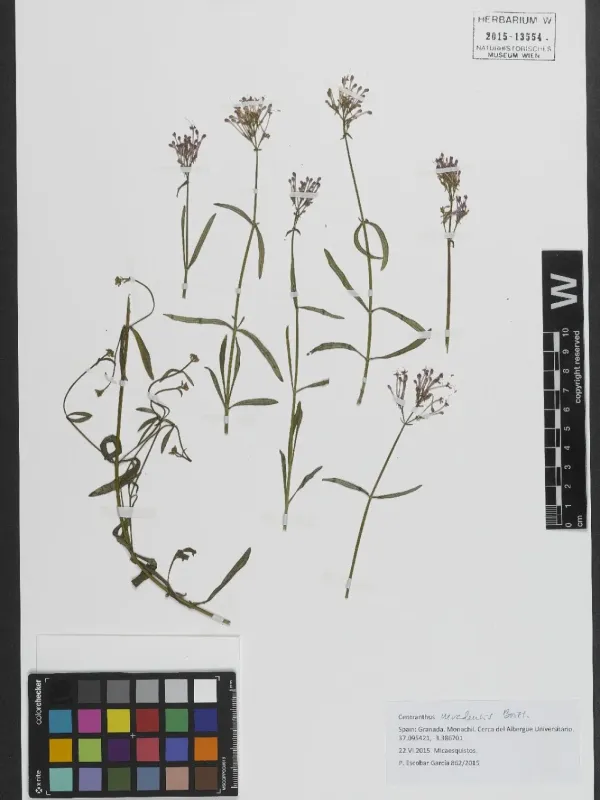
Description
Sowing dates
Sowing of Centranthus nevadensis seeds is best performed in the autumn season or early spring following a necessary stratification period of about six weeks.
The seeds should be sown in a light, sandy medium to ensure adequate drainage and prevent early damp-off during the germination phase.
Sowing depth should be minimal, as the seeds require sufficient light exposure to successfully break dormancy and sprout.
Temperature management during the sowing phase is critical, with an ideal range of 15 to 18 degrees Celsius for optimal seedling development.
Once the seedlings develop two pairs of true leaves, they should be carefully transplanted into larger containers or permanent locations to avoid root stress.
Growing requirements
Centranthus nevadensis belongs to the Caprifoliaceae family and originates from the limestone mountain slopes of the Sierra Nevada in Spain.
The plant thrives in calcareous soils with high mineral content and excellent drainage, which is essential to prevent root decay.
Full sun exposure is required for the plant to maintain its compact growth form and to stimulate prolific flowering during the season.
This species is highly drought-tolerant once established and does not require frequent irrigation, making it suitable for water-wise landscapes.
Soil pH should be kept within a neutral to alkaline range, ideally between 7.0 and 8.0, to mimic the plant's natural mountain habitat.
Yield
The primary utility of Centranthus nevadensis is as a highly specialized ornamental plant in rock gardens and alpine landscape designs.
Yield in an ornamental context refers to the volume of bloom per plant and its ability to maintain healthy foliage throughout the growing season.
The plant contributes to biodiversity in alpine-style gardens and is valued for its hardiness in challenging mountainous environments.
Deadheading the faded flowers can effectively prolong the blooming period, thereby enhancing the overall aesthetic productivity of the planting.
Its deep, resilient root system provides stability to soils, serving as a functional component in erosion control for steep garden slopes.
Main diseases and pests
The most significant threat to this species is waterlogged soil, which leads to immediate root rot and the development of pathogenic fungi.
Aphids are the most common pests, often clustering on the tender new growth and developing flower buds during the spring and summer.
Powdery mildew may occur if the plants are placed in areas with insufficient air circulation, especially during periods of high ambient humidity.
Slugs and snails can cause mechanical damage to the succulent leaves, particularly affecting young specimens after transplanting.
Integrated pest management and good horticultural hygiene, such as thinning out crowded plantings, are the best methods for prevention.
Harvesting
Harvesting seeds requires waiting until the seed heads have fully matured and turned brown, indicating the end of the reproductive cycle.
Once harvested, the seeds should be dried in a well-ventilated area before being cleaned and stored in cool, dry conditions for longevity.
Manual harvesting is the preferred method to ensure that the delicate seed capsules are not crushed during the collection process.
Post-harvest plant maintenance involves clearing away any dead stems to allow for proper airflow during the plant's winter dormancy.
Proper record-keeping of harvest dates and batch quality is recommended for those propagating the plant for professional seed distribution.