
Caper bush
Capparis spinosa L. subsp. rupestris (Sm.) Nyman
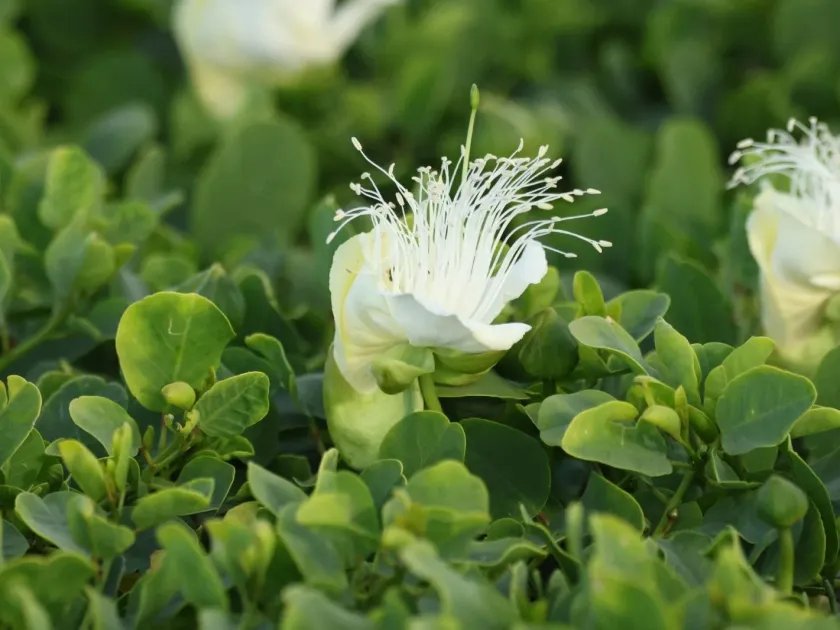
Description
Sowing dates
Cultivation of the Caper bush (Capparis spinosa) usually begins with seeds, which require stratification to ensure uniform germination. The best time for sowing is during the spring months once the soil temperature is consistently warm.
Seeds should be sown in a well-draining, sandy or rocky substrate at a shallow depth. In commercial agriculture, nursery-grown seedlings are preferred as they provide a more reliable survival rate compared to direct sowing in challenging outdoor conditions.
When transplanting seedlings, it is crucial to handle the root system with extreme care, as the taproot is sensitive to disturbance. Proper spacing is necessary to allow the sprawling branches to develop fully without overcrowding.
Weed management in the early stages of growth is essential, as young plants compete poorly with aggressive weeds. Once established, the root system is robust enough to handle environmental pressures.
Caper bushes are perennials, and investing in high-quality planting techniques during the initial sowing phase ensures long-term productivity for the plantation.
Growing requirements
Caper bushes are classic xerophytes, thriving in hot and dry climates with intense sunlight. They are highly intolerant of shade, which inhibits both growth and flower bud production significantly.
The plant performs best in poor, rocky, or limestone-based soils with excellent drainage. Waterlogged soil is strictly avoided, as it leads to root rot and rapid decline of the bushes, especially in cooler regions.
Temperature tolerance is a key feature; the plant prefers hot summers and is capable of withstanding mild, frost-free winters. They grow well on slopes and rocky terrain where other crops struggle to survive due to water scarcity.
Fertilization should be kept to a minimum; excessive nitrogen promotes vegetative growth at the expense of bud formation. The focus should be on maintaining soil health and preventing competition from surrounding flora.
Consistent airflow and high light levels are the most important environmental factors for maintaining a healthy and productive caper plantation.
Yield
The economic value of the Caper bush lies in its unopened flower buds, which are harvested for culinary use. Productivity typically begins from the second or third year after planting.
A healthy, mature bush can yield between 1 to 3 kilograms of buds per season. Since the buds do not ripen simultaneously, regular harvesting is required throughout the long summer blooming period.
In some regions, the fruits (caper berries) are also harvested and processed. Total yields per hectare depend on planting density, the age of the shrubs, and the rigor of the agricultural management practices employed.
Systematic pruning is necessary to rejuvenate older bushes and stimulate the growth of new, high-yielding shoots. Without regular pruning, the bush becomes woody and significantly less productive over time.
Efficient management allows the plantation to remain profitable for many years, as Caper bushes are exceptionally long-lived under proper care.
Main diseases and pests
Common pests include various leaf-eating insects, such as beetles and caterpillars, which can damage tender foliage and developing buds. Regular scouting of the field is necessary for early detection.
Fungal diseases like powdery mildew or root rot can occur if soil drainage is poor or if humidity levels remain too high for extended periods. Good site selection and proper plant spacing are the best preventive measures.
Integrated pest management (IPM) is highly recommended, utilizing biological controls to minimize the use of chemical pesticides on the buds. Given that the product is intended for human consumption, chemical usage must be strictly regulated.
Weed control is also a phytosanitary measure, as weeds can act as hosts for various viruses and insect pests that attack the Caper bush. Keeping the area clean significantly reduces the disease pressure.
Maintaining a balanced ecosystem within the plantation helps keep pest populations under control and ensures the longevity of the crop.
Harvesting
Harvesting capers is a labor-intensive manual process, as each bud must be hand-picked at the correct stage of maturity. Pickers generally operate during the early morning hours when the buds are tight and firm.
Post-harvest processing must be performed immediately, as fresh buds have a very short shelf life. They are typically cured in salt or vinegar to halt enzymatic activity and develop their characteristic flavor.
Sorting by size is a critical post-harvest step; smaller buds (non-pareille) are generally valued higher due to their texture and delicate taste. Quality control during harvesting ensures that only suitable buds are processed.
Skilled workers are essential to avoid damaging the bush while collecting the buds, as the plant must continue producing throughout the season. Proper training ensures minimal impact on the plant's future growth.
The transformation of the raw bud into a high-quality culinary product requires careful adherence to hygiene and processing standards.