
Elegant downingia
Downingia elegans
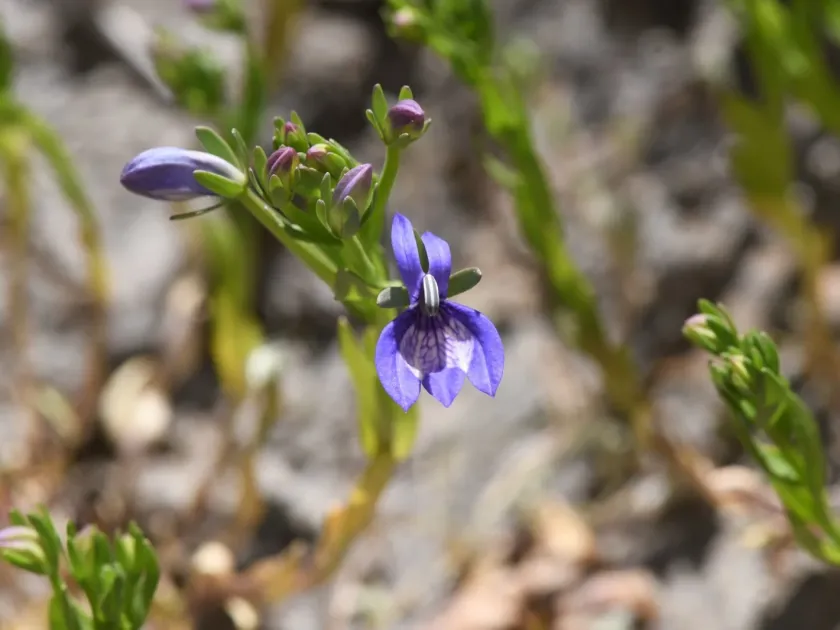
Description
Sowing dates
Elegant downingia is an annual herb belonging to the Campanulaceae family. Sowing is typically performed in early spring, once the soil has warmed sufficiently, as the plant is susceptible to frost damage.
The seeds are minute and require surface sowing on moist, well-draining soil. Light exposure is essential for germination, so seeds should not be buried deeply beneath the surface.
In regions with short growing seasons, starting seeds indoors in trays 6–8 weeks before the last frost date is recommended to ensure vigorous growth upon transplantation.
The medium for germination must be kept consistently damp throughout the entire process. Utilizing a misting spray is ideal for watering to avoid disturbing the delicate seeds.
Once seedlings are established, they should be thinned to an appropriate spacing of 10–15 cm to promote air circulation and prevent overcrowding which can lead to disease.
Growing requirements
This species is native to the western regions of North America and naturally thrives in vernal pools, damp meadows, and along the banks of seasonal streams and ponds.
The ideal growing medium is rich, loamy, or silty soil that maintains high moisture levels throughout the growing season without becoming stagnant or anaerobic.
Downingia elegans prefers full sun exposure to stimulate prolific blooming. While it may tolerate partial shade, insufficient light often results in leggy growth and fewer flowers.
Temperature management is critical; the plant prefers cool to moderate weather. Extremely high temperatures and low humidity levels are detrimental to its physiological processes.
Regular monitoring of soil moisture is essential. The plant is sensitive to drought, and if the substrate dries out completely, the plant will quickly wilt and may not recover.
Main diseases and pests
Root rot represents a primary threat to this species, usually associated with poorly drained soil conditions and high humidity, which favor the proliferation of harmful fungi.
Aphids and spider mites are common pests that target the foliage and flower buds, particularly during periods of heat stress when the plant's natural defenses are lowered.
Gastropods, such as slugs and snails, find the succulent nature of the foliage attractive and can cause significant damage to young plants in moist, shaded environments.
To mitigate disease risks, ensure proper spacing and avoid overhead watering that keeps the foliage wet for extended periods, as this encourages the development of powdery mildew.
Integrated pest management, including regular inspection and manual removal of pests, is preferred over chemical interventions to maintain the health of the surrounding ecosystem.