
Chimonanthus
Chimonanthus
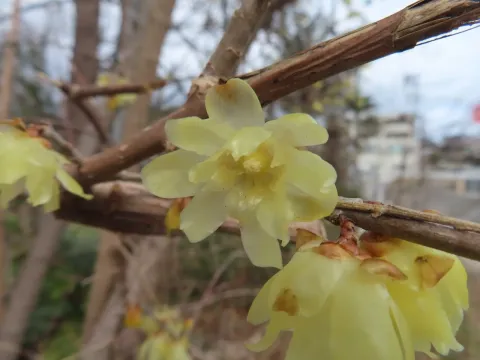
Chimonanthus is a genus of deciduous shrubs within the Calycanthaceae family. Native to the mountain forests of China, this plant is best known for its unique botanical trait of blooming during the winter months, producing highly fragrant, waxy yellow flowers.
What the section contains


Chimonanthus
The plant thrives in regions with temperate climates. To ensure healthy growth and development, it requires well-drained, fertile soil with a neutral to slightly acidic pH. Poor drainage is the primary cause of root failure in this species.
Ideal planting sites include sunny areas protected from strong, drying winds. Although Chimonanthus is relatively hardy once established, young specimens may require winter protection in colder climates to prevent damage to the flower buds.
Agronomic management involves strategic pruning immediately after the flowering period ends. Removing older branches allows for the growth of new, vigorous stems, which are essential for the following season's floral display.
Consistent moisture is required during the initial years of establishment, but mature plants exhibit a moderate level of drought tolerance. Mulching the root zone helps maintain stable soil temperatures and preserves moisture throughout the growing season.
Chimonanthus is generally considered a low-maintenance plant with strong resistance to most common pests. However, high humidity and poor air circulation can lead to fungal leaf spots, which may compromise the overall aesthetic and vigor of the shrub.
In terms of pests, scale insects and spider mites are occasionally observed, particularly in stressful environmental conditions. Frequent inspection of the foliage, especially in late spring, is recommended for early intervention.
Sanitation practices, such as removing fallen leaves and pruning congested branches, are effective in minimizing disease incidence. These measures improve light penetration and airflow, significantly reducing the presence of fungal pathogens.
Should an infestation occur, horticultural oils or appropriate systemic insecticides can be used to mitigate the impact of pests. Always apply treatments in accordance with integrated pest management (IPM) guidelines.
A healthy, well-nourished plant is rarely troubled by major threats. Maintaining optimal soil fertility and avoiding overhead irrigation in humid conditions are the most effective preventive measures for long-term health.